


Mosque Construction Consultant & Owner’s Representative
Mosque Construction Library · Owner-Side Project Management
Mosque Construction Consultant & Owner’s Representative
A mosque construction consultant or owner’s representative helps the client maintain control of scope, decisions, programme, reporting and specialist coordination across architects, engineers, contractors and suppliers. The role is especially useful for community committees and international projects with many stakeholders.
Why this topic matters in mosque construction
Mosque projects bring together ordinary building disciplines and specialist religious architecture. Decisions made in one package can affect several others: structure can change dome or minaret geometry; MEP routes can conflict with ceilings and decorative work; procurement can influence module sizes; and site access can determine how large specialist elements are manufactured. The project team should therefore treat this subject as part of an integrated information workflow rather than a stand-alone task.
Protect the owner’s brief
Maintain the approved project objectives, capacity, quality level, budget priorities and worship requirements. When design changes are proposed, test them against the brief rather than evaluating them in isolation.
Coordinate information flow
Track who must provide drawings, surveys, approvals, decisions and technical inputs. The representative should help ensure specialist suppliers receive the current information they need without taking over statutory design responsibility.
Commercial visibility
Support tender comparisons, change registers, package-level cost tracking and clarification of exclusions. Reports should explain why cost is moving and what decisions are required from the owner.
Specialist mosque elements
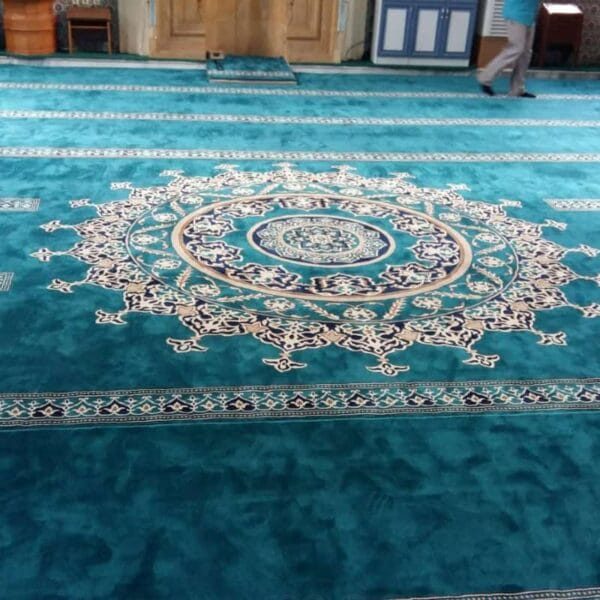
Domes, minarets, chandeliers, mihrab-minbar packages, doors, carpet and decorative finishes need early coordination. The owner’s representative can maintain the interface list across local and international suppliers.
Decision and risk reporting
Use concise dashboards showing open decisions, design approvals, risks, procurement status, programme milestones, site issues and upcoming owner actions.
Governance and communication
Community projects can have many decision makers. Define who has authority to approve design, cost and programme changes so contractors are not receiving conflicting instructions.
Önerilen proje iş akışı
- Confirm the latest inputs. Verify drawings, site information, dimensions, project location, capacity and authority requirements.
- Define responsibility. Identify the owner, architect, engineer, contractor, specialist supplier and approver for each deliverable.
- Coordinate interfaces. Review structure, MEP, waterproofing, finishes, access, logistics and adjacent packages.
- Issue controlled information. Use revision-controlled drawings, submittals, samples and written approvals.
- Release procurement or fabrication. Do not release custom work before critical geometry and finishes are approved.
- Inspect and document. Record key inspections, changes, tests and as-built information through handover.
Minimum information checklist
| Information | Why it matters |
|---|---|
| Project location and current stage | Determines authority context, logistics, climate assumptions and required level of detail. |
| Latest architectural and structural drawings | Provides coordinated geometry, levels, openings and support conditions. |
| Verified site dimensions where relevant | Reduces fabrication and installation errors caused by outdated drawings. |
| Scope and responsibility matrix | Prevents gaps between design, supply, transport, installation and testing. |
| Material and finish approvals | Creates a controlled benchmark for procurement and quality inspection. |
| Programme and required-on-site dates | Connects approvals and long-lead manufacturing to the construction sequence. |
Common coordination risks
- Starting detailed work before geometry or site conditions are verified.
- Assuming another party owns an interface without documenting responsibility.
- Approving appearance without checking structure, access, waterproofing or maintenance.
- Releasing fabrication before shop drawings and material samples are fully coordinated.
- Ignoring transport, lifting, customs or site storage until production is complete.
- Failing to update as-built records after site changes.
RFQ and procurement questions
When requesting a quotation, issue enough information for suppliers to price the same scope. State the project location, dimensions, quantities, material and finish intent, drawing and engineering responsibilities, packaging and transport expectations, installation scope, programme, testing requirements, exclusions and required warranty information. For international projects, identify who controls customs clearance, unloading, local transport and site installation.
Quality and handover
Project quality is easier to manage when approval and inspection points are planned before work begins. Preserve approved samples, shop drawings, inspection records, test reports, warranties and maintenance information. At handover, the owner should receive a clear record of what was installed, how it should be maintained and which components require future access or specialist replacement.
Sık Sorulan Sorular
When should this subject be addressed?
Early enough that dependent design, procurement and construction packages can still be changed without rework. For specialist mosque components this is usually before structural supports, service routes or finishes are frozen.
Who should approve the final technical solution?
The project’s appointed designers, licensed engineers and relevant authorities remain responsible for regulated design and statutory approval within their jurisdiction. Specialist manufacturers can provide product, fabrication and interface information within their agreed scope.
Can the same detail be reused on every mosque?
No. Capacity, geometry, climate, codes, structure, local construction methods, transport limits and architectural language vary. Reusable standards are useful, but final design decisions should be project-specific.
What should be checked before installation?
Check the current approved drawings, site dimensions, substrate or support readiness, access and lifting needs, material condition, fixing locations, adjacent completed work and the required inspection sequence.
Continue through the project workflow
This topic connects directly with project management services, risk management, tender evaluation and international contractor. Use these related guides to move from one project decision to the next without treating design, engineering, procurement and construction as isolated tasks.

 English
 German
 Turkish
 Russian
 French
 Arabic