For Architects & Interior Designers
Architect & Designer Chandelier Specification Guide
A good decorative-lighting specification communicates design intent without locking the project into unclear assumptions. It should define the required visual outcome, dimensions, materials, electrical performance, approvals and coordination responsibilities.
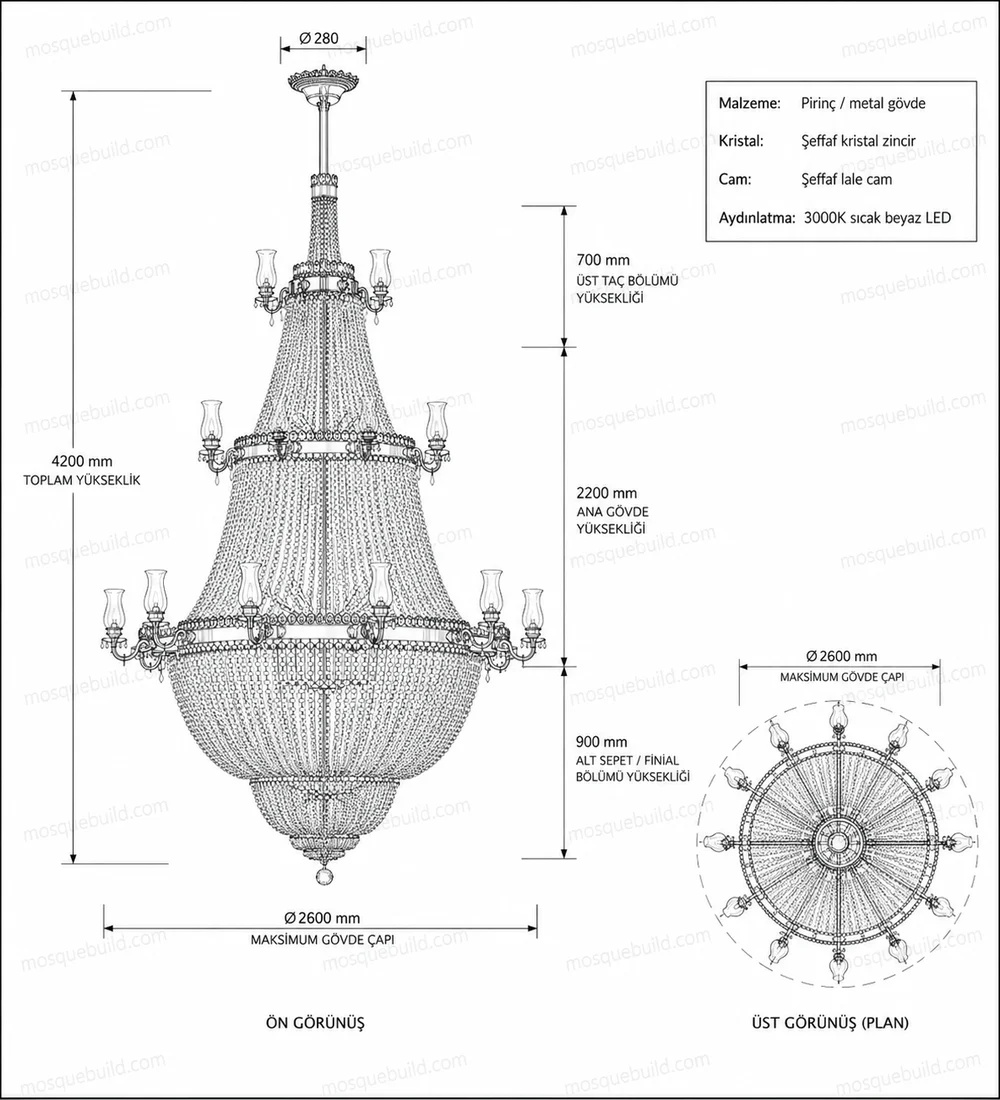
Structure recommandée des spécifications
Intention de conception
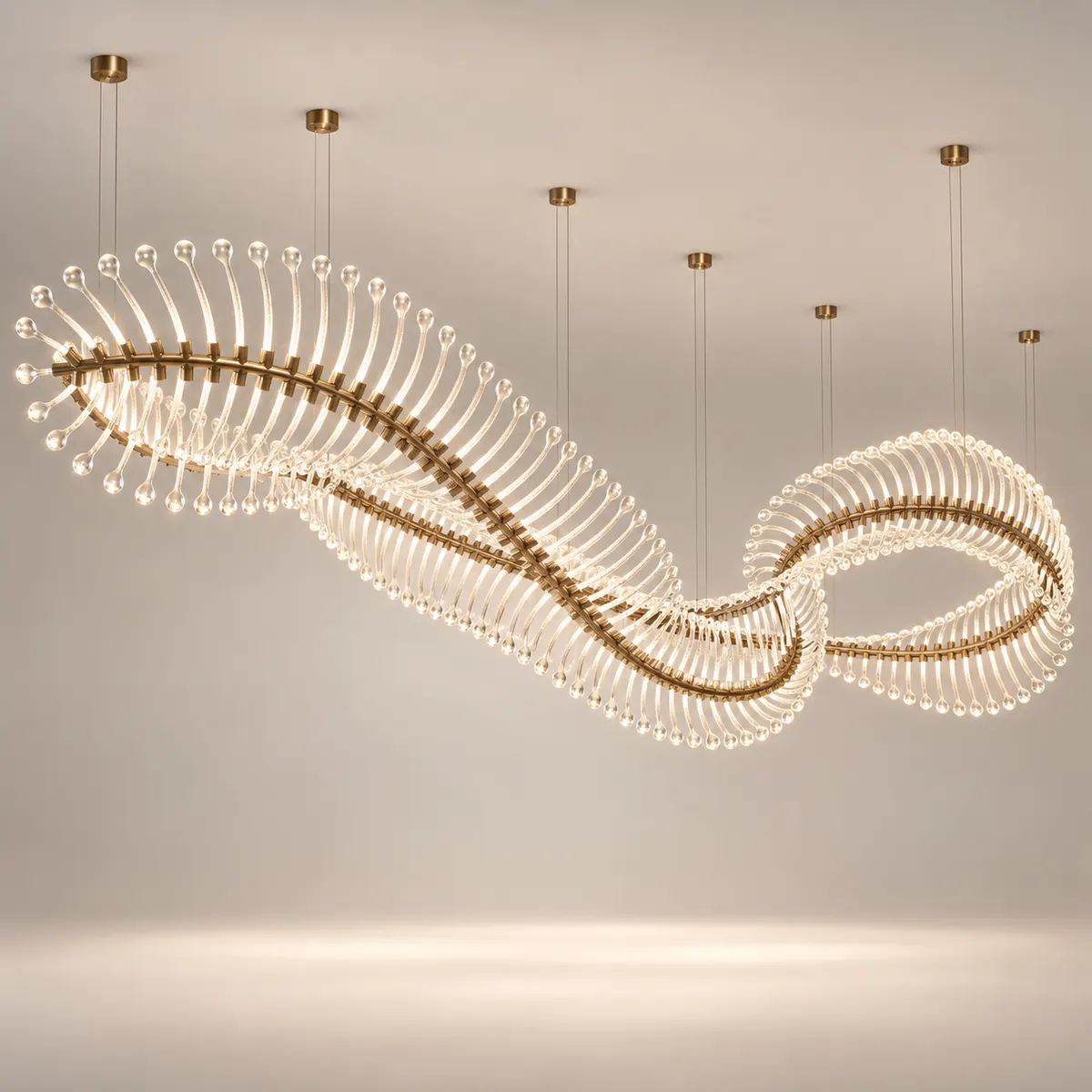
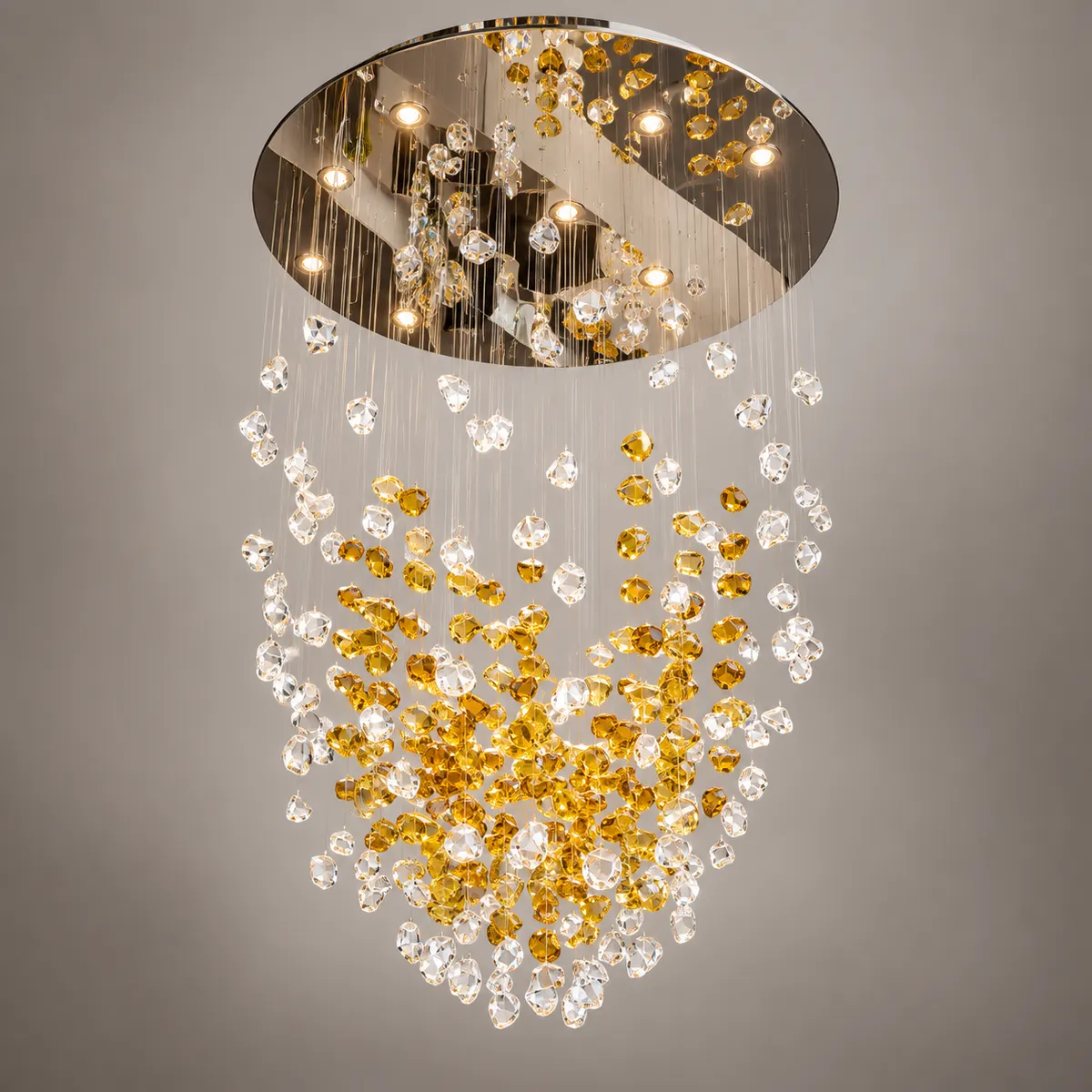
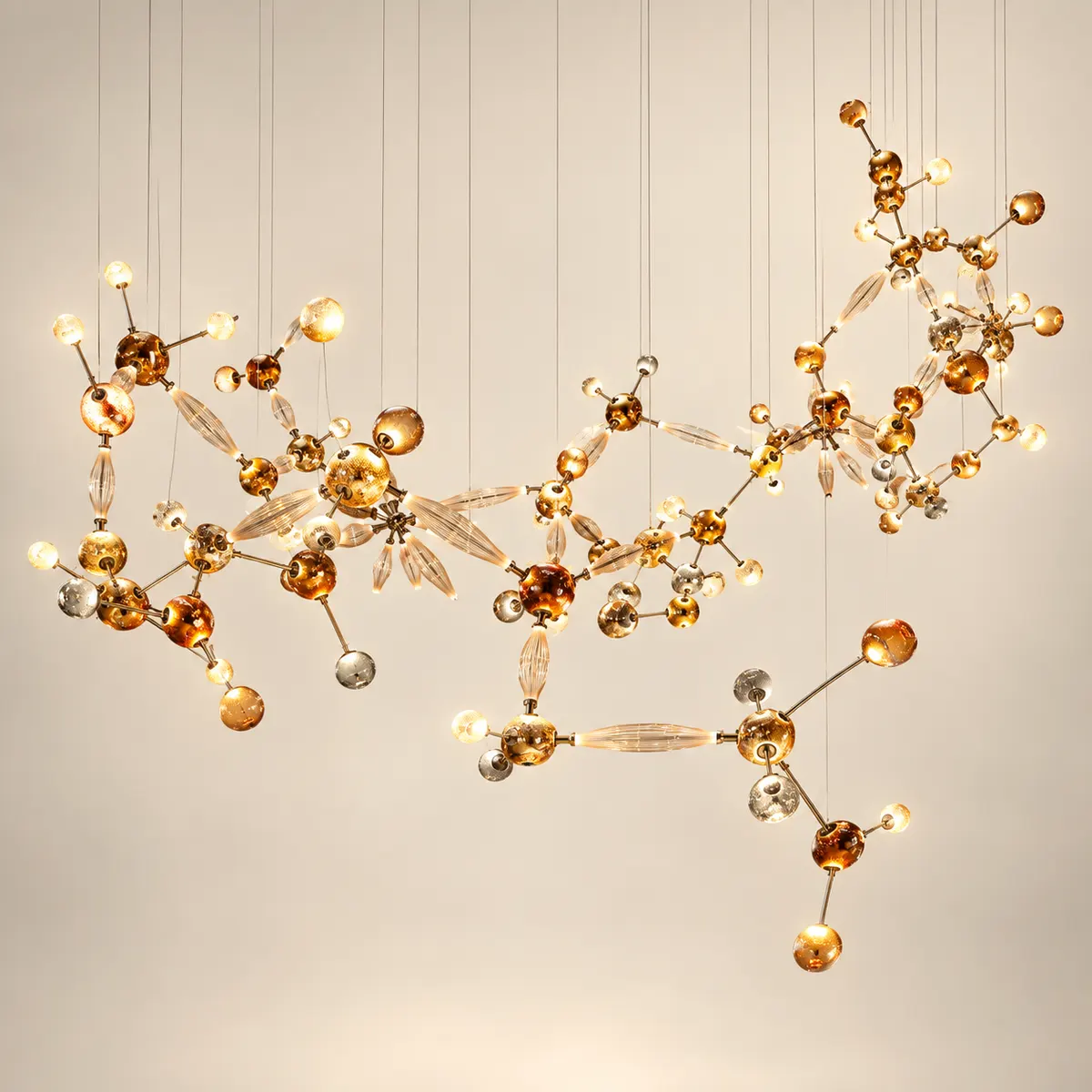
Reference images, sketches or renderings plus a clear description of the visual language and project context.
Dimensions
Nominal overall width/diameter, fixture height, suspension range and finished elevation.
Materials & finish
Metal type, finish direction, glass/crystal requirements and sample approval process.
Performance de l'éclairage
Voltage, lamp/LED type, CCT, CRI, dimming/control and circuiting expectations.
Ingénierie
Required load information, suspension coordination, canopy interface and modularity.
Documents soumis à validation
Shop drawings, finish samples, component data, mock-up/prototype scope and installation information.
Suggested RFQ information
- Nom et emplacement du projet
- Architectural plan, RCP and section
- Chandelier quantity and locations
- Target dimensions and finished elevations
- Références visuelles
- Tableau des matériaux et des finitions
- Exigences relatives aux installations électriques et aux commandes
- Exigences de certification
- Calendrier des soumissions
- Périmètre de fourniture et d'installation
Performance-based vs appearance-only specification
An appearance-only specification may reproduce the look but miss critical requirements such as weight, dimming, maintenance access or local compliance. A stronger specification combines visual intent with measurable technical and project-delivery requirements.
Preparing a chandelier specification?
MosqueBuild can review architectural drawings and the design brief to help structure a project-specific chandelier proposal.
Send architect / designer brief