


Moskébelysning Norge: Mosque Interior & Exterior Lighting Guide
Moskébelysning Norge: Mosque Interior & Exterior Lighting Guide
Norwegian mosque projects need lighting that supports long winter operating periods, modern community functions and a clear architectural identity. Search terms may include moskébelysning Norge, mosque lighting Norway, mosque chandelier, Islamic centre lighting or mosque facade lighting. The most useful solution combines interior visual comfort, efficient controls and restrained exterior emphasis.
Interior lighting should support worship first
The prayer hall needs even enough light for safe circulation and comfortable use, but worship spaces do not benefit from retail-style brightness. A decorative chandelier can create identity while concealed or architectural fixtures supply the technical layer. Accent lighting should be reserved for important features such as the mihrab, calligraphy, timber detailing or a dome.
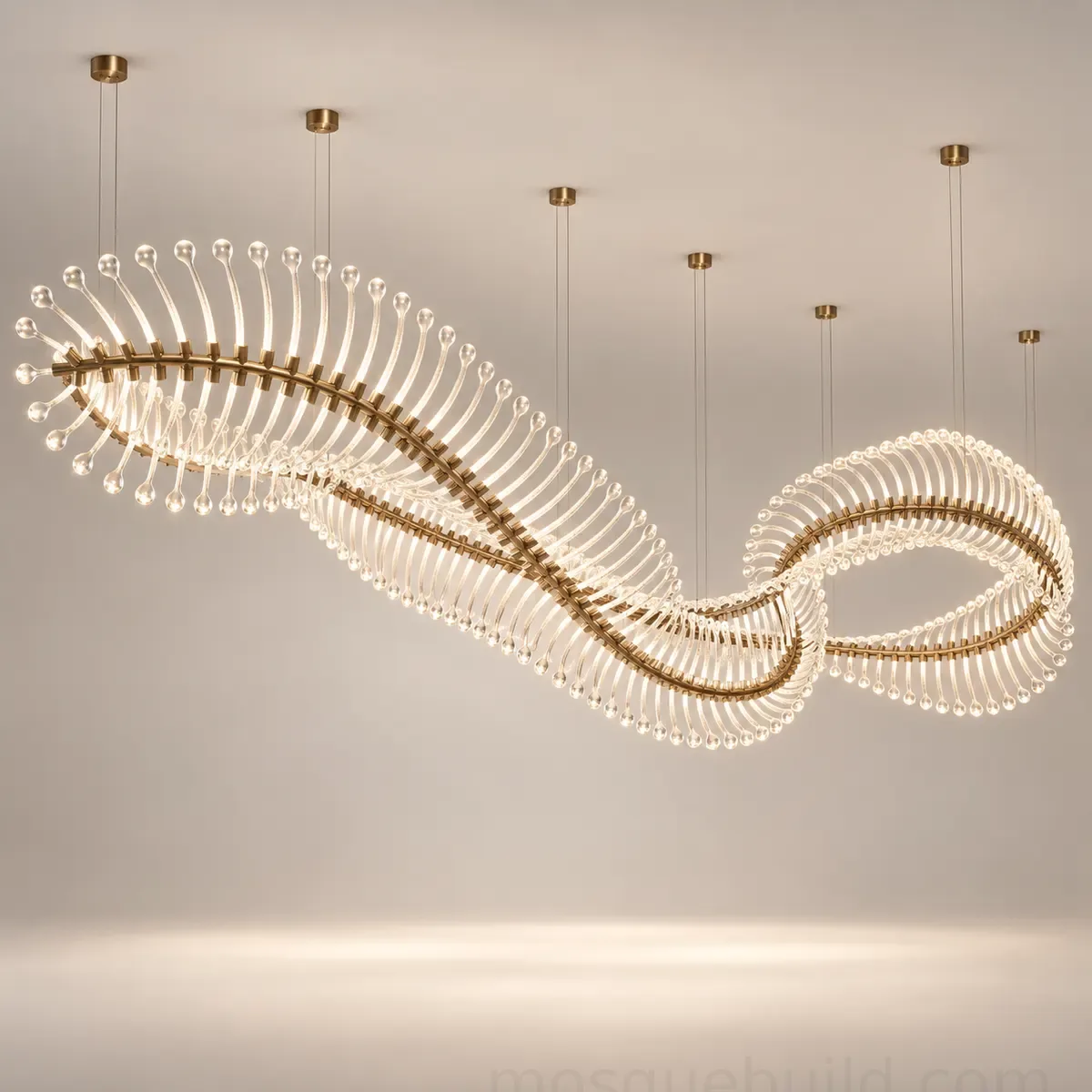
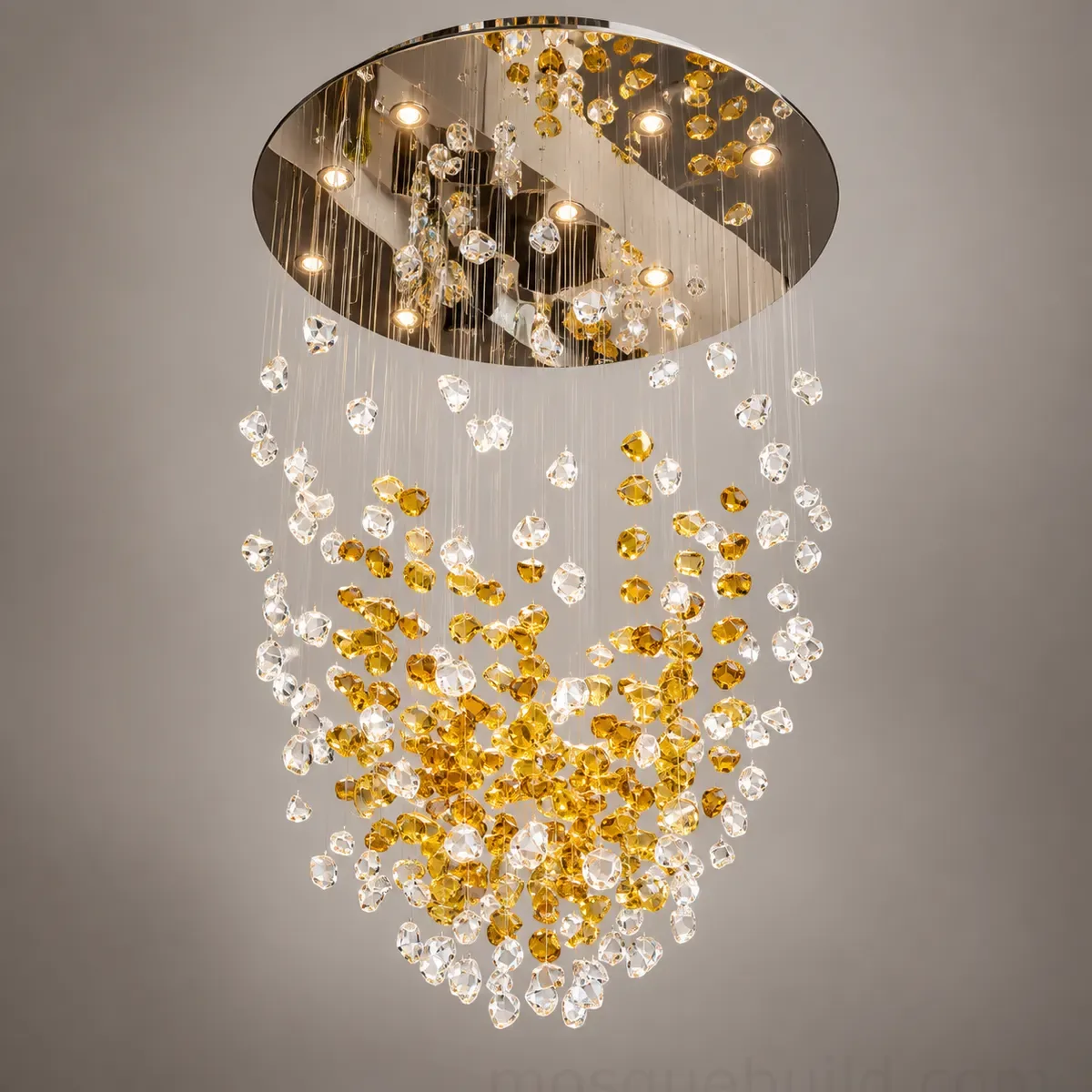
Chandelier sizing and high ceilings
Where the room has a tall ceiling, chandelier size must be judged from volume and viewing distance. Diameter alone is not enough; drop and finished bottom elevation affect how the fixture relates to the congregation. A large fixture should also be designed for installation, cleaning and future electrical service. Modular sections can make transport and on-site assembly easier.
Exterior lighting for darker seasons
Entrance, facade and minaret lighting can play a stronger wayfinding role during long periods of darkness. The design should still remain precise. Narrow or asymmetric optics can highlight architectural elements without sending light into the sky or neighbouring windows. The default scene should be calm, with lower output available for late-night operation.
Cold-weather exterior considerations
Exterior luminaires should be selected as complete systems: housing, seals, cable entries, brackets, drivers and controls all need to suit the project environment. Maintenance access should be realistic when fixtures are mounted high on facades or poles. In exposed positions, drainage and secure mechanical fixing are as important as nominal lumen output.
Glare and reflective interiors
Contemporary mosque interiors may use pale walls, glass, polished stone or acoustic surfaces. Bright downlights can create reflected glare or make ceilings feel visually busy. Shielded luminaires, wall washing and indirect light can produce a calmer result. Mock-ups are valuable when polished materials or complex decorative finishes are involved.
DIALux and fixture-count optimisation
A DIALux or Relux study can compare different fixture quantities and optics before procurement. This is particularly useful for high ceilings where maintenance is difficult. A smaller number of precisely selected luminaires may perform better than many low-intensity fixtures if the photometric distribution matches the geometry.
Community and cultural rooms
Norwegian Islamic centres may include classrooms, kitchens, event rooms or small libraries. These areas can use more functional lighting and flexible controls than the main prayer hall. Track systems can support exhibitions or changing community displays. The building should feel coherent, but each room does not need the same luminaire type.
Norway mosque-lighting checklist
- building type and city
- prayer-hall plan and section
- ceiling, dome or structural suspension details
- daylight openings and reflective materials
- chandelier dimensions or concept
- exterior facade/minaret scope
- control scenes and operating hours
- technical calculation and documentation needs
Search terms and content ownership
Norwegian-language searches such as moskébelysning should resolve to the country article, while detailed questions about optics, calculations or chandeliers should continue to the relevant central guide. This keeps the SEO structure focused and reduces internal competition.
Voir Architectural Floodlights & Projectors, Architectural Lighting Design and Custom Chandeliers.
Norway maintenance and winter-operation note
For Oslo, Bergen, Stavanger and other Norwegian projects, exterior-lighting operation should be considered together with maintenance. High facade projectors, exposed brackets and ground-mounted fittings need accessible service positions and clear aiming records. Interior systems should also document replacement components for chandeliers and high-ceiling fixtures. This reduces the risk that a technically strong design becomes difficult to maintain after handover.
 English
 German
 Turkish
 Russian
 French
 Arabic