

For Architects & Interior Designers
Architect & Designer Chandelier Specification Guide
A good decorative-lighting specification communicates design intent without locking the project into unclear assumptions. It should define the required visual outcome, dimensions, materials, electrical performance, approvals and coordination responsibilities.
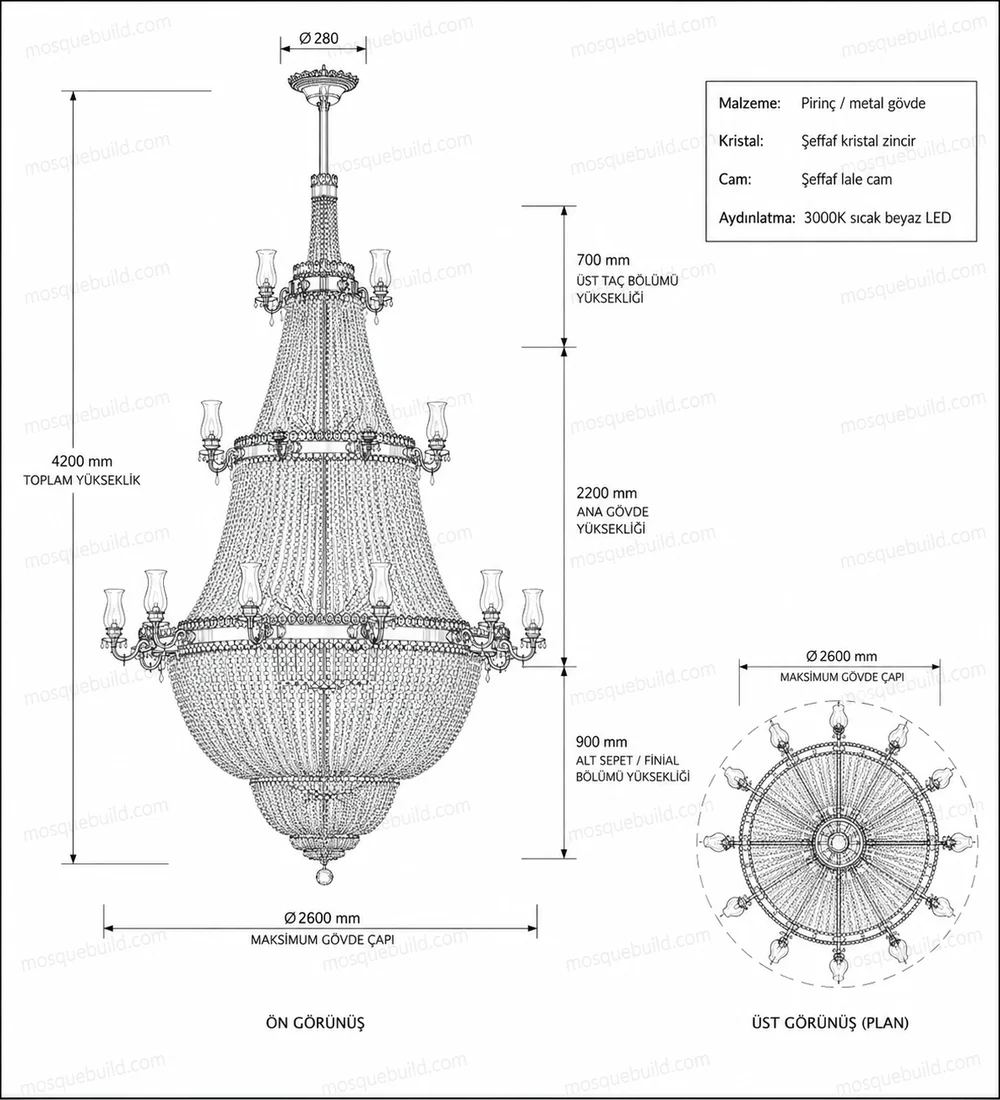
Recommended specification structure
Design intent
Reference images, sketches or renderings plus a clear description of the visual language and project context.
Abmessungen
Nominal overall width/diameter, fixture height, suspension range and finished elevation.
Materials & finish
Metal type, finish direction, glass/crystal requirements and sample approval process.
Lighting performance
Voltage, lamp/LED type, CCT, CRI, dimming/control and circuiting expectations.
Engineering
Required load information, suspension coordination, canopy interface and modularity.
Submittals
Shop drawings, finish samples, component data, mock-up/prototype scope and installation information.
Suggested RFQ information
- Project name and location
- Architectural plan, RCP and section
- Chandelier quantity and locations
- Target dimensions and finished elevations
- Visual references
- Material/finish schedule
- Electrical and controls requirements
- Certification requirements
- Submittal schedule
- Delivery and installation scope
Performance-based vs appearance-only specification
An appearance-only specification may reproduce the look but miss critical requirements such as weight, dimming, maintenance access or local compliance. A stronger specification combines visual intent with measurable technical and project-delivery requirements.
Preparing a chandelier specification?
MosqueBuild can review architectural drawings and the design brief to help structure a project-specific chandelier proposal.
Send architect / designer brief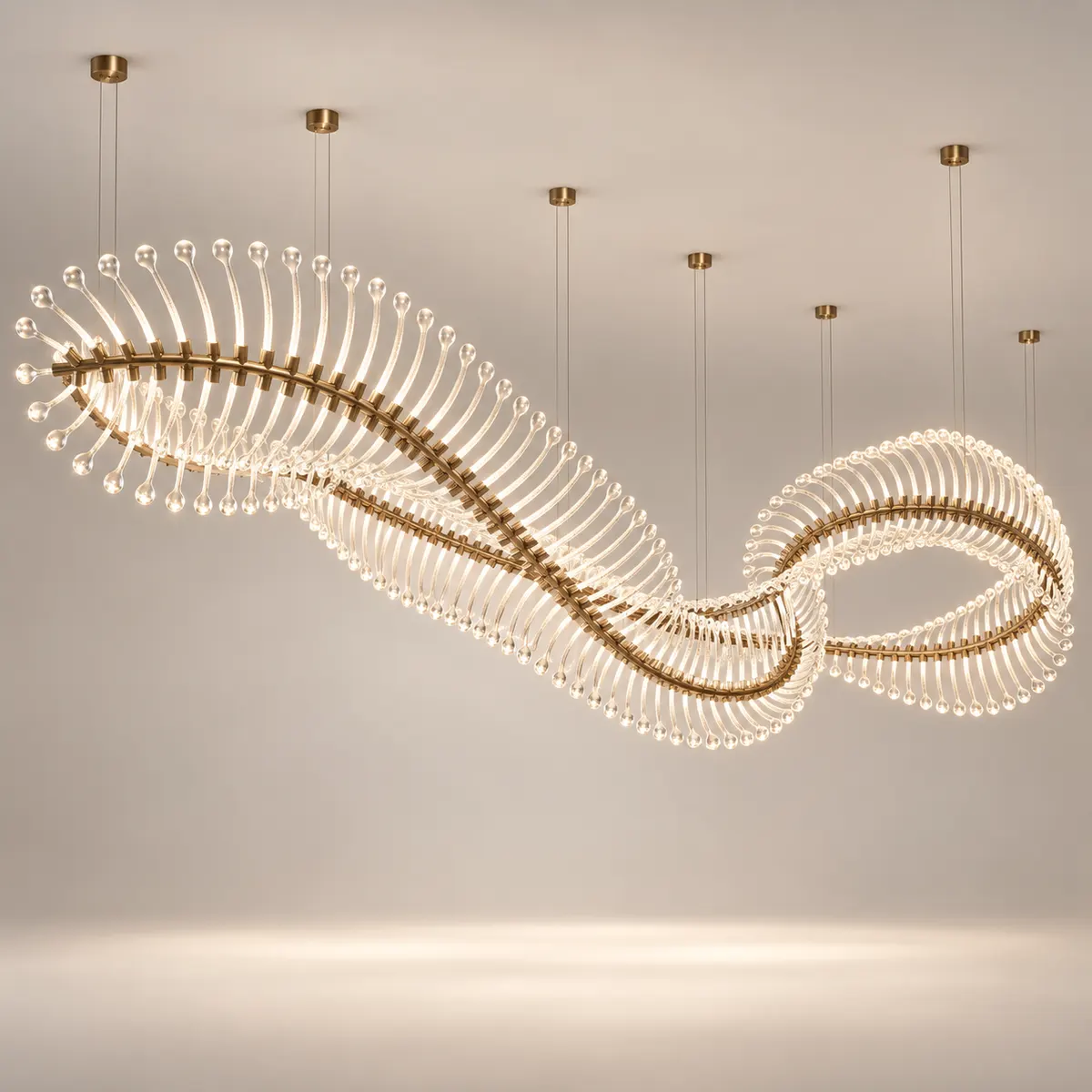
 English
 German
 Turkish
 Russian
 French
 Arabic