


RFI- und technischer Freigabeprozess im Moscheebau
Moscheebau-Bibliothek · Technische Unterlagen
RFI- und technischer Freigabeprozess im Moscheebau
A structured RFI and technical-submittal workflow keeps mosque design questions, shop drawings, materials, calculations, samples and site clarifications traceable. This is essential where architecture, engineering and specialist fabrication depend on one another.
Why this topic matters in mosque construction
Mosque projects bring together ordinary building disciplines and specialist religious architecture. Decisions made in one package can affect several others: structure can change dome or minaret geometry; MEP routes can conflict with ceilings and decorative work; procurement can influence module sizes; and site access can determine how large specialist elements are manufactured. The project team should therefore treat this subject as part of an integrated information workflow rather than a stand-alone task.
RFI versus technical submittal
An RFI asks for missing, conflicting or unclear information. A technical submittal presents a proposed drawing, material, calculation, sample or method for review. Treating both as informal messages makes project history difficult to control.
Numbering and status
Record package, originator, date, drawing reference, response due date and current status. Define what approved, approved with comments, revise and resubmit and rejected mean for the project.
Ablauf der Werkstattplanung
Specialist shop drawings should start from the current design information, identify deviations clearly and be reviewed by all affected disciplines before fabrication release.
Revisionskontrolle
Every issue should carry revision identification and purpose. Superseded drawings must be removed from factory and site work areas. Digital folders should separate current approved files from earlier revisions.
Einreichung von Materialien und Mustern zur Freigabe
Link product data and samples to the specification and intended location. Colour or finish approvals should reference a physical or digital benchmark that can be used during quality inspection.
Site queries and as-built changes
If an RFI response changes installed work, determine whether revised drawings, variation approval or as-built documentation is required. A closed RFI does not automatically mean project records are updated.
Empfohlener Projektablauf
- Confirm the latest inputs. Verify drawings, site information, dimensions, project location, capacity and authority requirements.
- Verantwortlichkeiten festlegen. Identify the owner, architect, engineer, contractor, specialist supplier and approver for each deliverable.
- Schnittstellen koordinieren. Review structure, MEP, waterproofing, finishes, access, logistics and adjacent packages.
- Issue controlled information. Use revision-controlled drawings, submittals, samples and written approvals.
- Release procurement or fabrication. Do not release custom work before critical geometry and finishes are approved.
- Inspect and document. Record key inspections, changes, tests and as-built information through handover.
Minimum information checklist
| Informationen | Why it matters |
|---|---|
| Project location and current stage | Determines authority context, logistics, climate assumptions and required level of detail. |
| Latest architectural and structural drawings | Provides coordinated geometry, levels, openings and support conditions. |
| Verified site dimensions where relevant | Reduces fabrication and installation errors caused by outdated drawings. |
| Leistungsumfang und Verantwortungsmatrix | Prevents gaps between design, supply, transport, installation and testing. |
| Material and finish approvals | Creates a controlled benchmark for procurement and quality inspection. |
| Programme and required-on-site dates | Connects approvals and long-lead manufacturing to the construction sequence. |
Common coordination risks
- Starting detailed work before geometry or site conditions are verified.
- Assuming another party owns an interface without documenting responsibility.
- Approving appearance without checking structure, access, waterproofing or maintenance.
- Releasing fabrication before shop drawings and material samples are fully coordinated.
- Ignoring transport, lifting, customs or site storage until production is complete.
- Failing to update as-built records after site changes.
RFQ and procurement questions
When requesting a quotation, issue enough information for suppliers to price the same scope. State the project location, dimensions, quantities, material and finish intent, drawing and engineering responsibilities, packaging and transport expectations, installation scope, programme, testing requirements, exclusions and required warranty information. For international projects, identify who controls customs clearance, unloading, local transport and site installation.
Qualität und Übergabe
Project quality is easier to manage when approval and inspection points are planned before work begins. Preserve approved samples, shop drawings, inspection records, test reports, warranties and maintenance information. At handover, the owner should receive a clear record of what was installed, how it should be maintained and which components require future access or specialist replacement.
Häufig gestellte Fragen
When should this subject be addressed?
Early enough that dependent design, procurement and construction packages can still be changed without rework. For specialist mosque components this is usually before structural supports, service routes or finishes are frozen.
Who should approve the final technical solution?
The project’s appointed designers, licensed engineers and relevant authorities remain responsible for regulated design and statutory approval within their jurisdiction. Specialist manufacturers can provide product, fabrication and interface information within their agreed scope.
Kann dasselbe Detail bei jeder Moschee verwendet werden?
No. Capacity, geometry, climate, codes, structure, local construction methods, transport limits and architectural language vary. Reusable standards are useful, but final design decisions should be project-specific.
What should be checked before installation?
Check the current approved drawings, site dimensions, substrate or support readiness, access and lifting needs, material condition, fixing locations, adjacent completed work and the required inspection sequence.
Continue through the project workflow
This topic connects directly with BIM-Koordination, Musterfreigabe, QS/QK-Plan and Bauüberwachung. Use these related guides to move from one project decision to the next without treating design, engineering, procurement and construction as isolated tasks.
Zugehörige MosqueBuild-Ressourcen
Suggested technical-submittal register
| Art der Einreichung | Typical mosque examples | Reviewers |
|---|---|---|
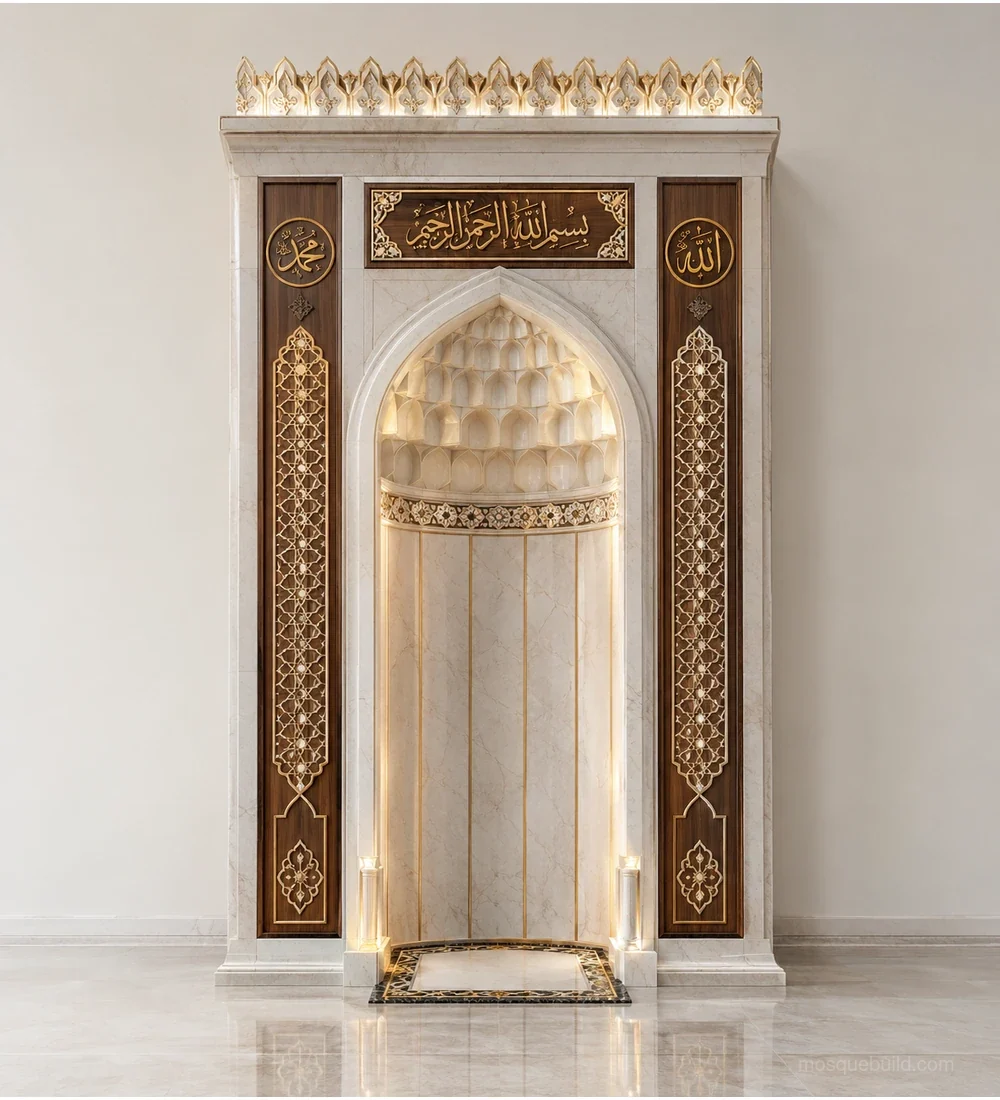
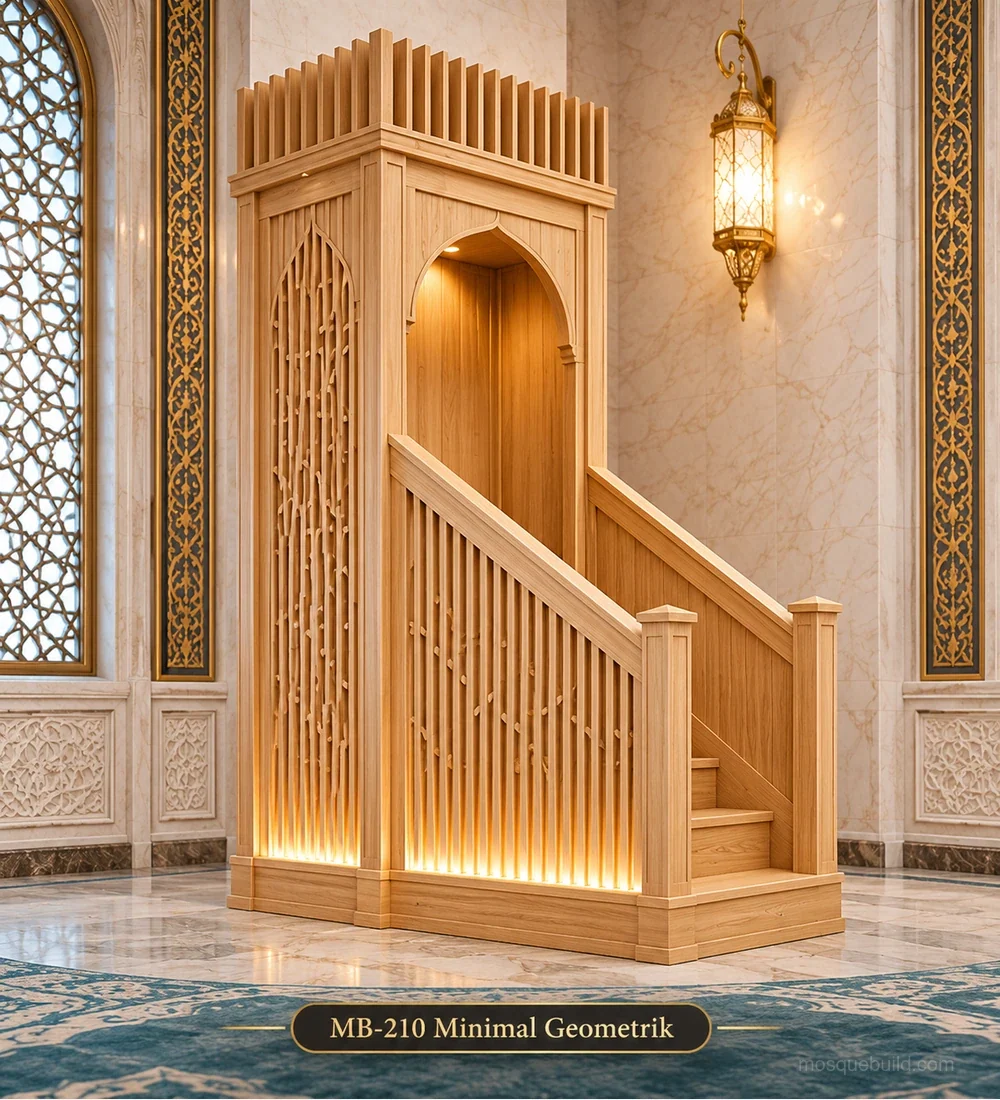
| Werkstattzeichnung | Dome, minaret, mihrab, minbar, doors, cladding, chandelier support | Architect, structural engineer, MEP where affected |
| Materialmuster | Timber stain, metal finish, carpet, stone, tile, glass | Architekt / Bauherr |
| Berechnung | Kuppelrahmen, Minarett, Aufhängung und Spezialabstützung | Verantwortlicher Ingenieur |
| Ausführungsbeschreibung | Lifting, waterproofing, installation, testing | Contractor / consultant |
RFI response quality
Responses should resolve the question without creating a new ambiguity. Where an answer changes geometry, material, scope or cost, issue the required drawing revision and commercial instruction instead of relying on the RFI response alone. Close the RFI only after dependent documents have been updated.
 English
 German
 Turkish
 Russian
 French
 Arabic