


Africa Mosque Construction Guide: Planning, Procurement & Delivery
☰ Africa Guide Menu
الإنشاءDome & MinaretMihrab & Minbarتصميم داخلي لغرفة الصلاة مخصص لمشروعات المساجدInterior ArchitectureDoors & Woodworkمشروع تصميم مسجد مخصص لمشروعات المساجدسجادExport & InstallationCountriesAfrica Mosque Construction Guide: Planning, Procurement & Delivery
Building or renovating a mosque in Africa requires more than a standard architectural package. The design must connect local structure and approvals with specialist mosque elements that may be manufactured internationally.
Define the project before pricing
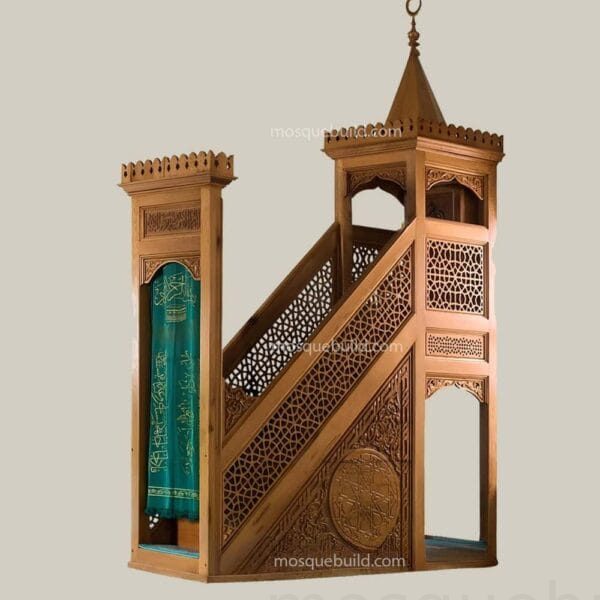
Start with the city, site condition, prayer capacity, architectural drawings and a clear split between local civil works and imported specialist elements. A useful scope matrix separates foundations, reinforced concrete or steel, masonry and MEP works from domes, minarets, mihrab, minbar, doors, decorative joinery, lighting, carpet and other manufactured packages. This avoids duplicate pricing and missing interfaces.
Local engineering remains local
Structural loads, wind and seismic design, foundations, fire requirements, accessibility and planning approvals must be verified by qualified professionals responsible for the project location. An international supplier can prepare fabrication drawings and interface requirements, but these should be coordinated with the local architect and structural engineer before production begins.
المناخ يغيّر المواصفات
A coastal project may need stronger corrosion protection, moisture-resistant substrates and carefully selected metal finishes. Hot inland or Sahel locations may place more emphasis on solar heat, thermal movement, dust protection and durable low-maintenance surfaces. Ventilation, roof build-up and waterproofing should be coordinated before decorative dome or ceiling systems are frozen.
Coordinate specialist elements early
The dome opening, minaret base, qibla wall, door openings, ceiling suspension points, chandelier loads and carpet dimensions should not be treated as late decoration. Freezing these interfaces early reduces cutting, patching and site improvisation. MosqueBuild project packages can be developed around approved dimensions so each manufactured component arrives with a defined installation location.
Procurement and approval sequence
A practical sequence is concept review, measured dimensions, material approval, shop drawings, sample or finish approval where required, production, quality control, packing and installation planning. For international projects, packing dimensions and container strategy should be considered before fabrication is complete, especially for tall minaret modules, wide doors and large decorative panels.
What to send for a construction review
Send architectural plans, elevations and sections; the project city; current construction stage; target opening date; required product list; preferred materials; and a realistic budget range. Photos of the existing building are valuable for renovation work. The clearer the brief, the easier it is to separate essential technical work from optional decorative upgrades.
Related Africa project guides
طلب مراجعة المشروع
Send the project country and city, drawings, dimensions, required products and target schedule. We will review the scope as a coordinated mosque package.
Contact MosqueBuildProject referencesRelated Mosque Interior Solutions
Explore Mosque Construction
Continue from this guide to the main solution page, technical directory and closely related resources.
 English
 German
 Turkish
 Russian
 French
 Arabic