

Tradition, function and technical coordination in one design framework.
A mosque must serve worship first. Geometry, qibla, circulation, accessibility, acoustics, light, materials and maintenance should reinforce that purpose rather than compete with it.
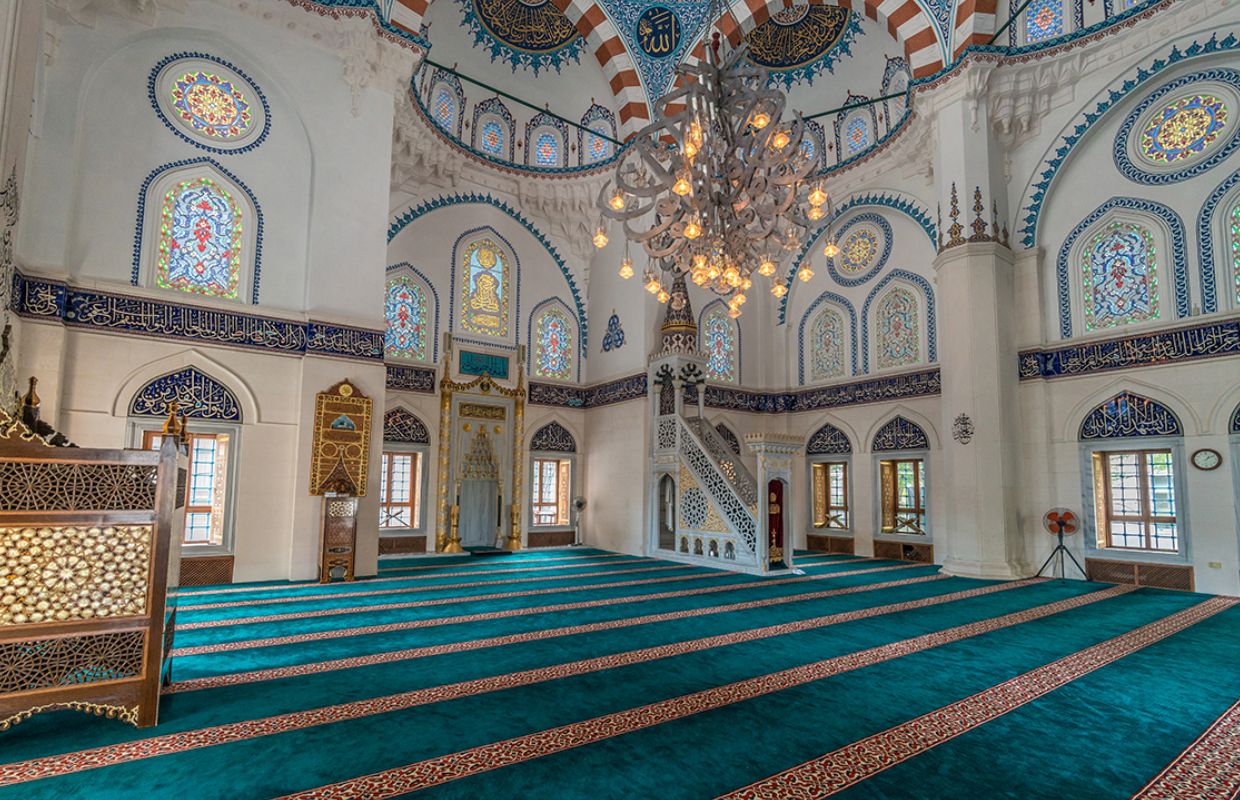
Core design principles
The qibla axis should control mihrab position, prayer rows and the spatial hierarchy of the hall from the earliest planning stage.
Domes, arches, columns, wall divisions and ornament work best when they belong to one understandable proportional system.
Entrances, shoe storage, wudu, women’s areas, accessible routes and exits must work during peak attendance, not only when the building is empty.
Speech intelligibility depends on room geometry, finishes and sound-system coordination; it should not be left to equipment selection at the end.
Daylight and architectural lighting should support orientation and sacred focus while controlling glare, heat gain and maintenance access.
Materials should be selected for cleaning, repairability, local climate and long-term facility care as well as first-day appearance.
Technical principles before approval
- Verify qibla direction and prayer-row setting-out from one controlled reference.
- Protect clear circulation, accessible routes and emergency egress at peak capacity.
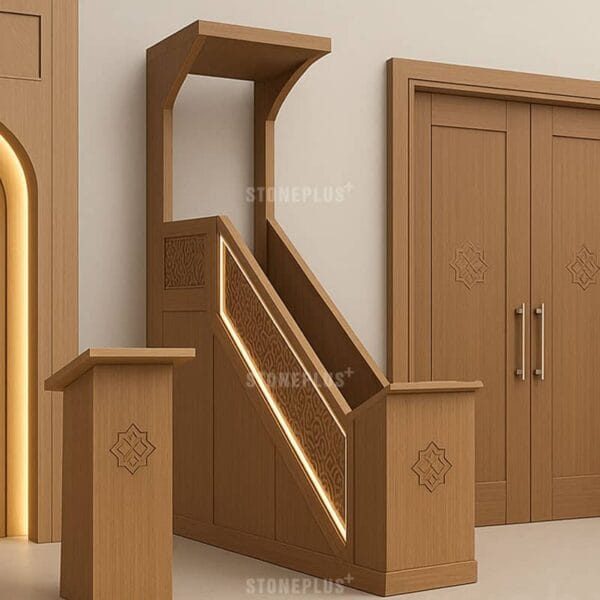
- Coordinate structural supports for dome, minaret, chandeliers and specialist interior elements.
- Resolve HVAC, ventilation, electrical, lighting, audio and plumbing routes before decorative ceilings close.
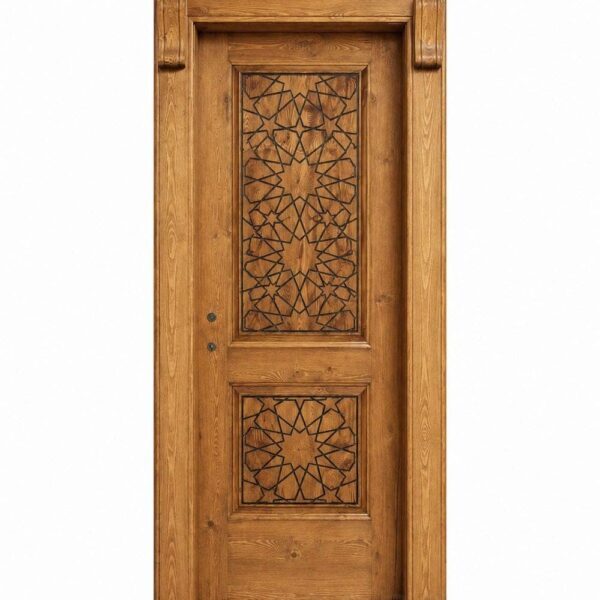
- Use samples and shop drawings for custom wood, metal, stone, carpet and calligraphy work.
- Plan maintenance access, replacement components and handover records before construction finishes.
Turn principles into project decisions.
MosqueBuild can review the mosque-specific interfaces in your current architectural package before specialist production begins.
Related Mosque Interior Solutions
Explore Mosque Construction
Continue from this guide to the main solution page, technical directory and closely related resources.
 English
 German
 Turkish
 Russian
 French
 Arabic