


Lead Mosque Dome Cladding
A Material System Built Around Detail and Workmanship
For the complete commercial overview, specifications and project options, see our mosque dome systems page.
Lead remains closely associated with historic mosque roofs because it can be formed around complex curves and detailed junctions. A successful lead system depends on sheet layout, joint strategy, substrate preparation and correct detailing around penetrations, finials and changes in geometry.
Restoration projects should begin with a condition survey. Local failures may be repairable, while widespread movement, corrosion of supporting components or failed waterproofing layers can justify partial or complete renewal.
- Historic mosque domes
- Traditional curved roofs
- Minaret roof restoration
- Local lead repair
Lead Cladding Requires Skilled Detailing Around Curved Geometry
Lead is strongly associated with traditional roof craft and can follow curved architectural forms, but it should not be treated as a simple decorative skin. Sheet sizing, jointing, substrate preparation and movement allowances must be coordinated carefully so the finished dome can weather correctly.
Türkiye Project Service
For Türkiye-specific survey, quotation, installation and city information:
Lead cladding requires careful detailing
Lead can accommodate complex curved geometry, but sheet size, joints, substrate and movement should be designed as a complete roof system. Water-shedding details are more important than relying on sealant at every joint.
Project considerations
- dome curvature and panel layout
- compatible substrate and separation layers
- thermal movement
- drip, eave and flashing details
- workmanship around penetrations and finials
Material handling, environmental requirements and local regulations should be reviewed for the project location. Compare with other mosque dome systems.
Explore Mosque Dome Systems
Continue from this guide to the main solution page, technical directory and closely related resources.
Lead — Key Project Notes
Lead
- Finish
- Traditional matte lead
- Weight
- Heavy
- Best for
- Historic mosque domes, restoration, traditional roof details and complex curved surfaces where malleability and established heritage detailing are
Technical Information at a Glance
- Material
- Lead sheet
- Application
- Dome / roof / minaret details
- Substrate
- Project-specific
- Jointing
- Project-specific traditional detailing
- Scope
- New cladding / repair / renewal
- 01
Survey or review the supporting dome geometry
- 02
Confirm substrate, waterproofing and ventilation requirements
- 03
Select metal, finish and joint pattern
- 04
Develop panel / seam layout around the dome form
Before You Request a Quote
Is lead mainly for historic mosque restoration?
Can lead be formed over a curved dome?
Do you inspect the old substrate before re-cladding?
Can lead cladding be coordinated with a new finial?
Selected Project Concepts
Project entries stay connected to the service you are viewing. Concept/demo entries are clearly labelled until they are replaced with completed MosqueBuild references and your own project photography.
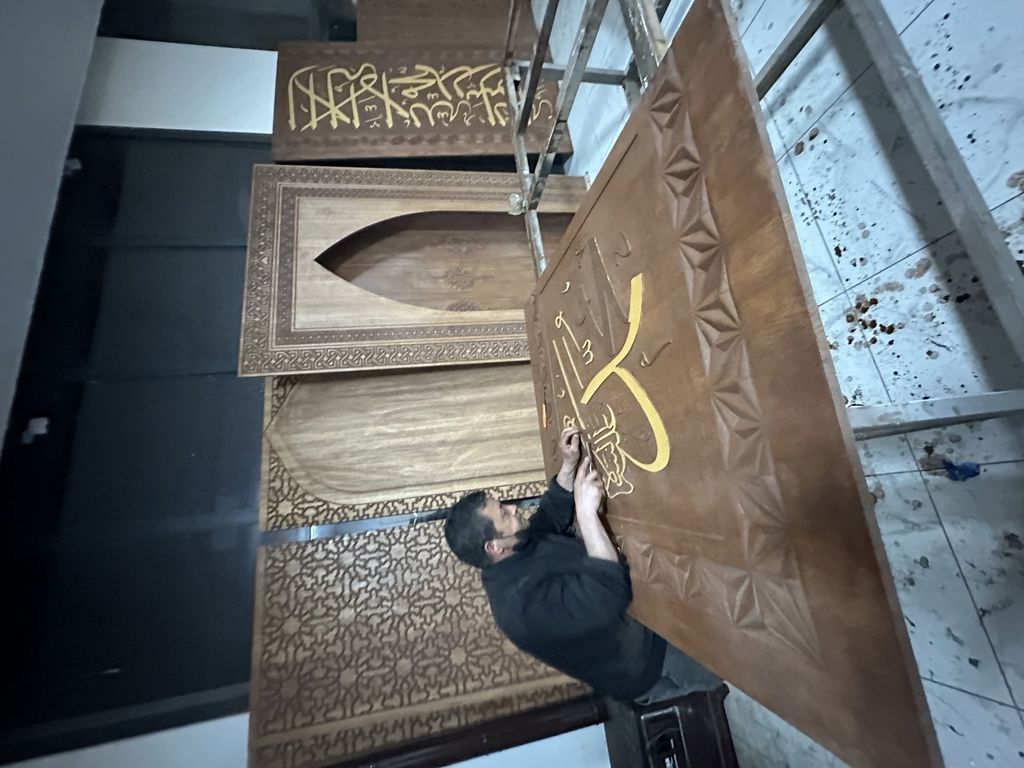 Concept / Demo
Historic Lead Dome Restoration Concept — Belgium
Restoration concept showing how lead dome re-cladding, substrate review and waterproofing coordination can be presented for an existing mosque or…
View project → Concept / Demo
Aluminium Dome Concept — Netherlands
Lightweight aluminium mosque-dome concept demonstrating material selection, finish direction, seam planning and integration with the wider dome system.
View project →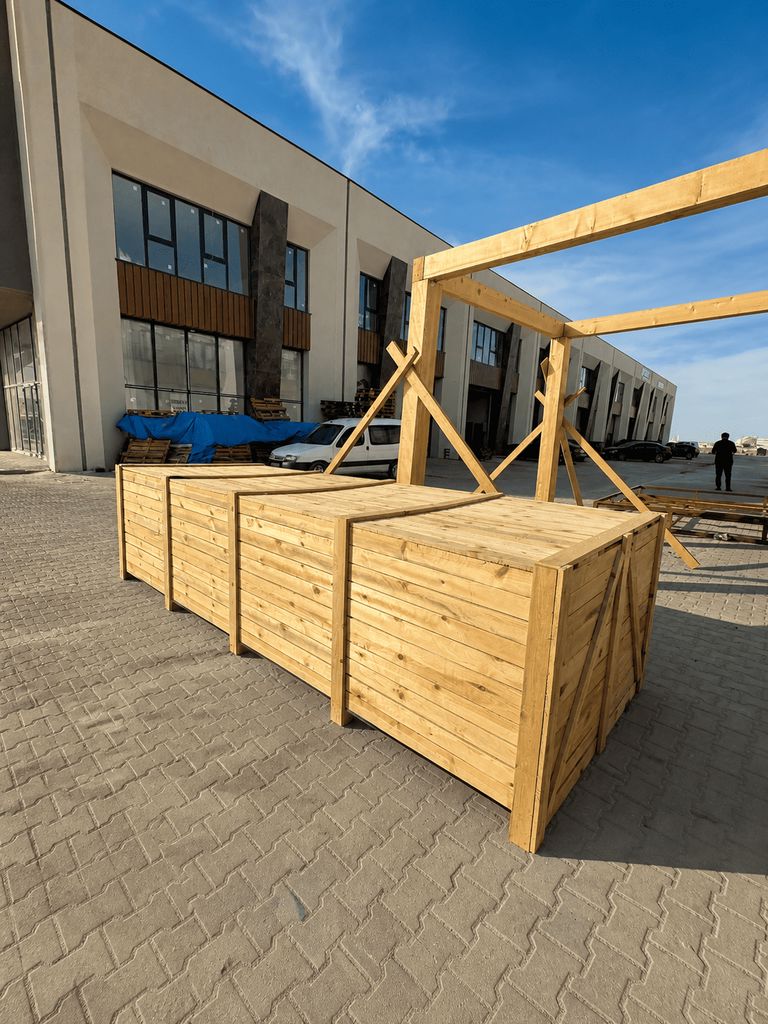 Concept / Demo
Titanium Zinc Mosque Concept — France
Contemporary titanium-zinc mosque concept demonstrating standing-seam dome and minaret cladding within one coordinated exterior architecture package.
View project →Continue With the Right System
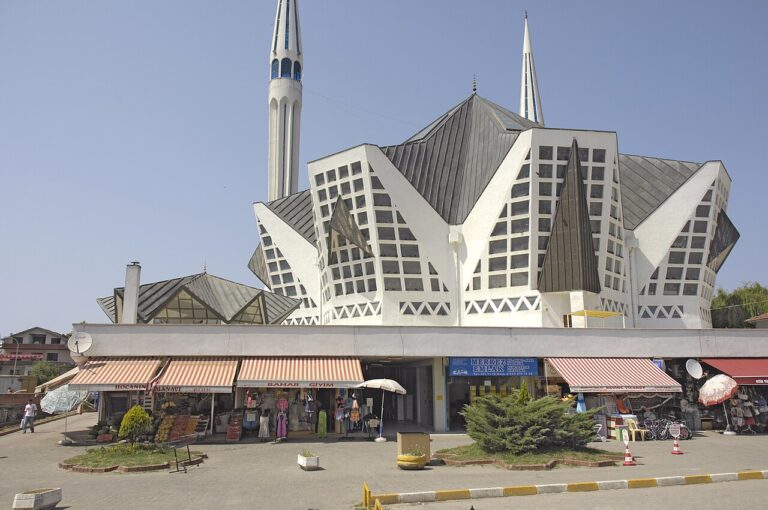

Discuss Your Mosque Project With Our Team
Send drawings, dimensions or reference images. We will review the appropriate system and next project step.
 English
 German
 Turkish
 Russian
 French
 Arabic