

Mosque Dome Calligraphy reflects Islamic art’s harmony and spirituality, blending Quranic verses with timeless elegance inside mosque domes.
Showing 1–12 of 21 results
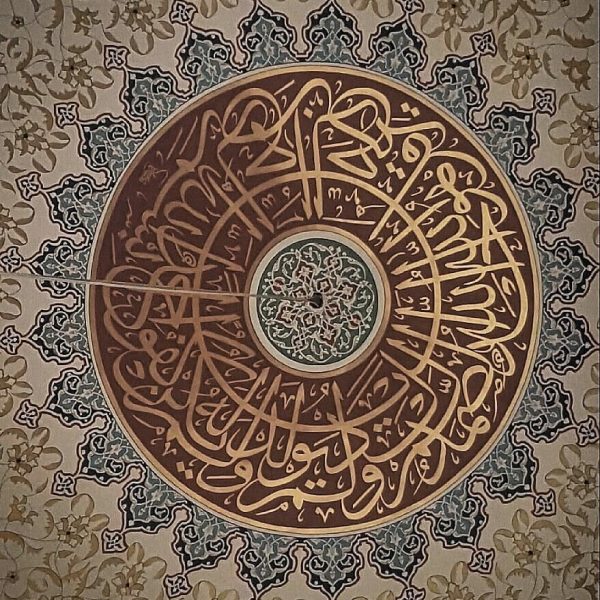
Custom Mosque Dome Calligraphy – DC-02
1.200,00 €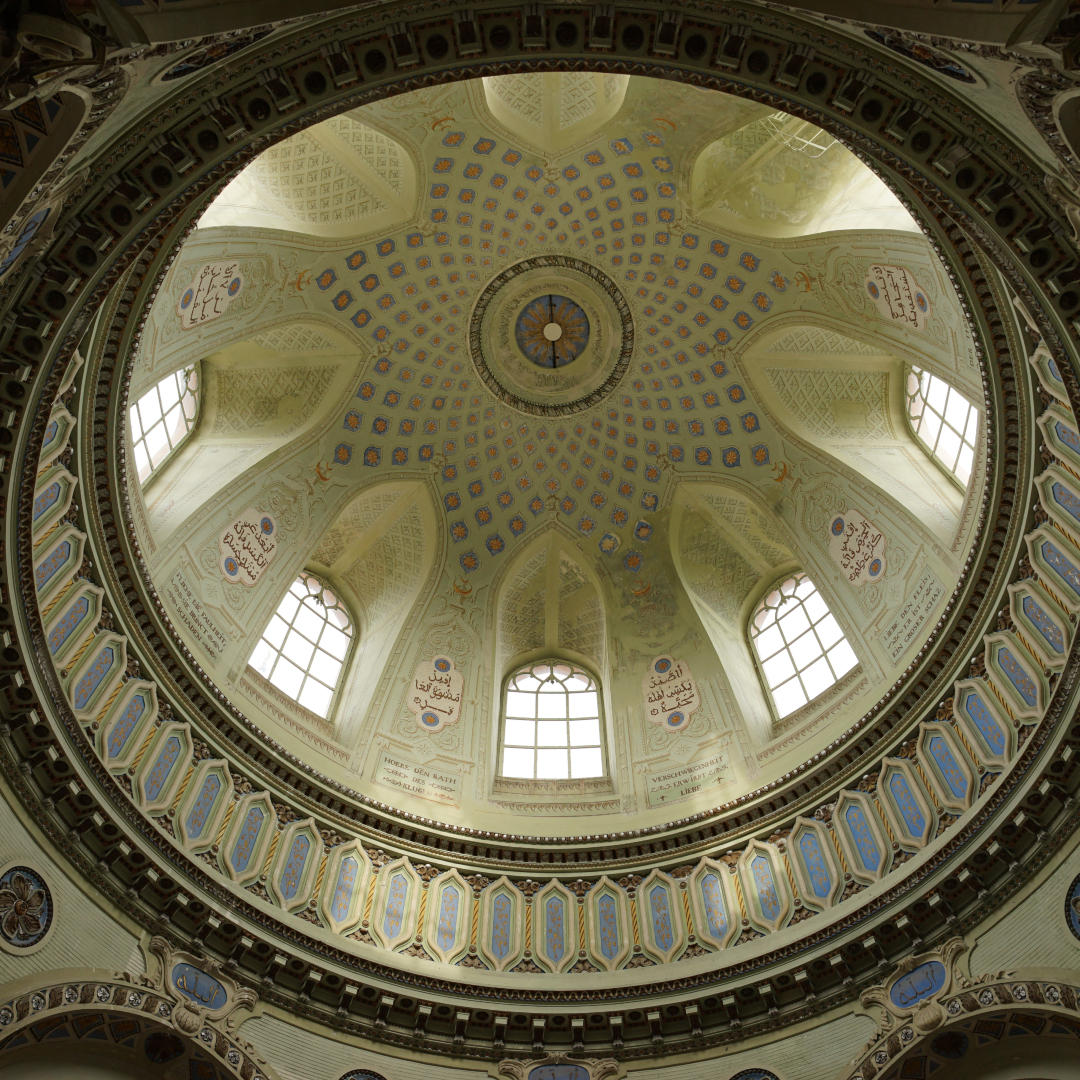
Custom Mosque Dome Calligraphy – DC-06
1.200,00 €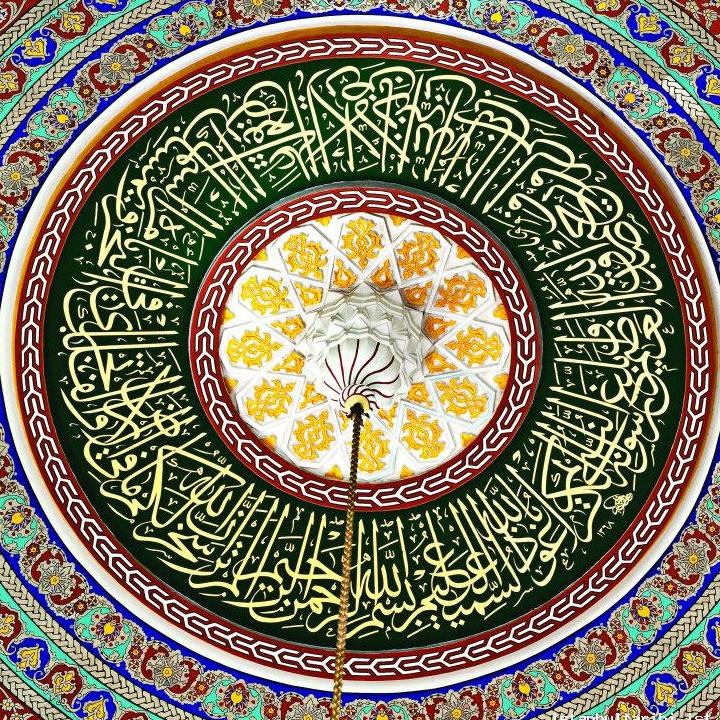
Custom Mosque Dome Calligraphy – DC-01
1.200,00 €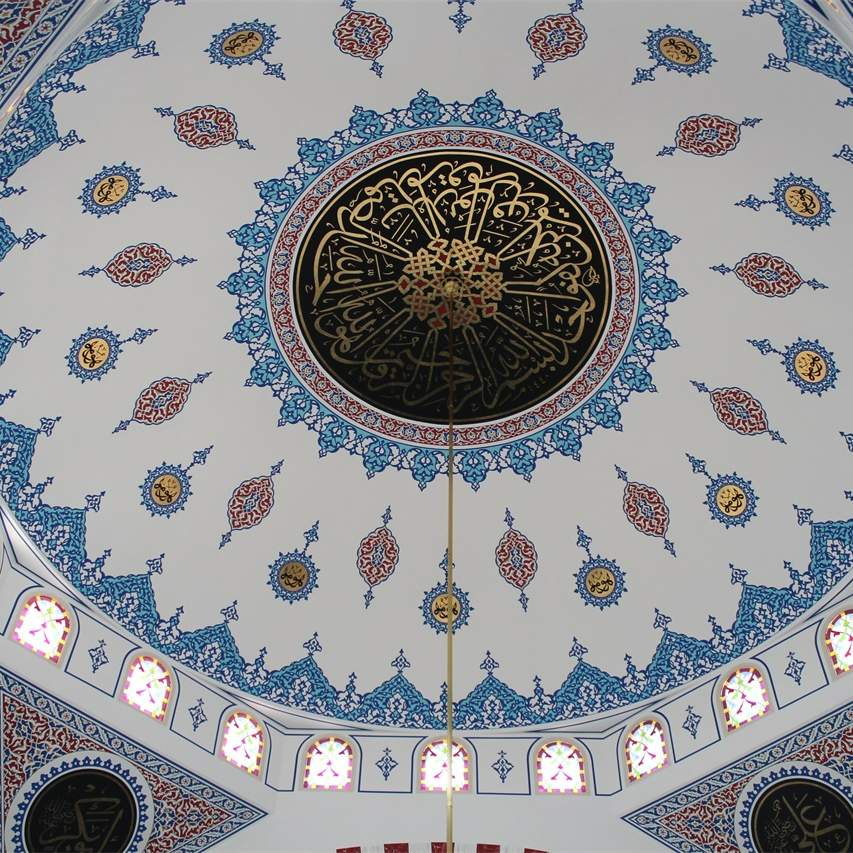
Custom Mosque Dome Calligraphy – DC-14
1.200,00 €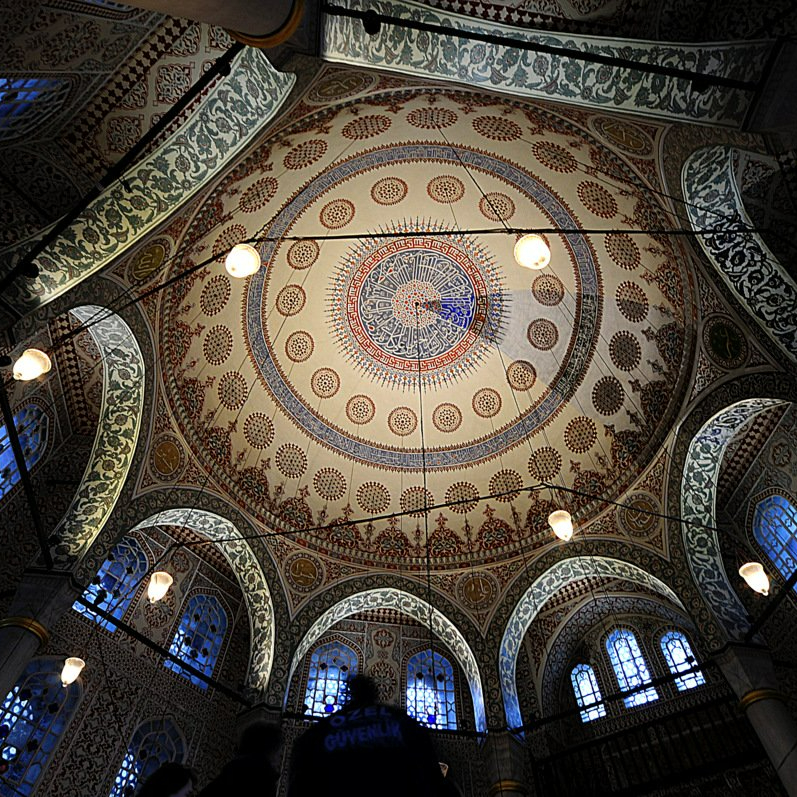
Custom Mosque Dome Calligraphy – DC-16
1.200,00 €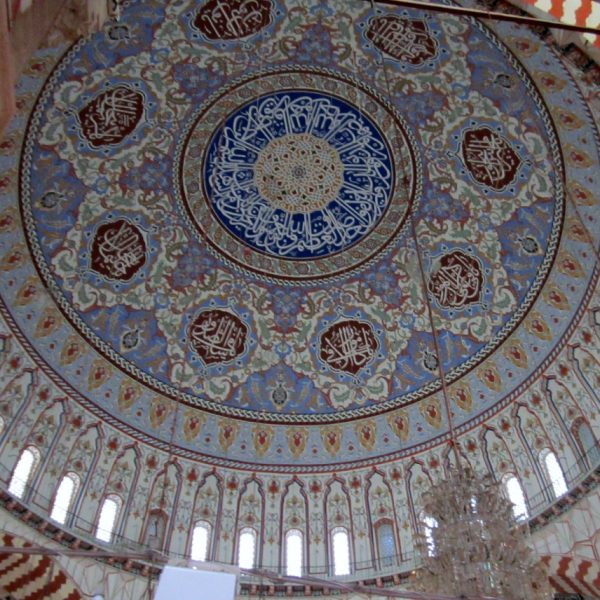
Custom Mosque Dome Calligraphy – DC-21
1.200,00 €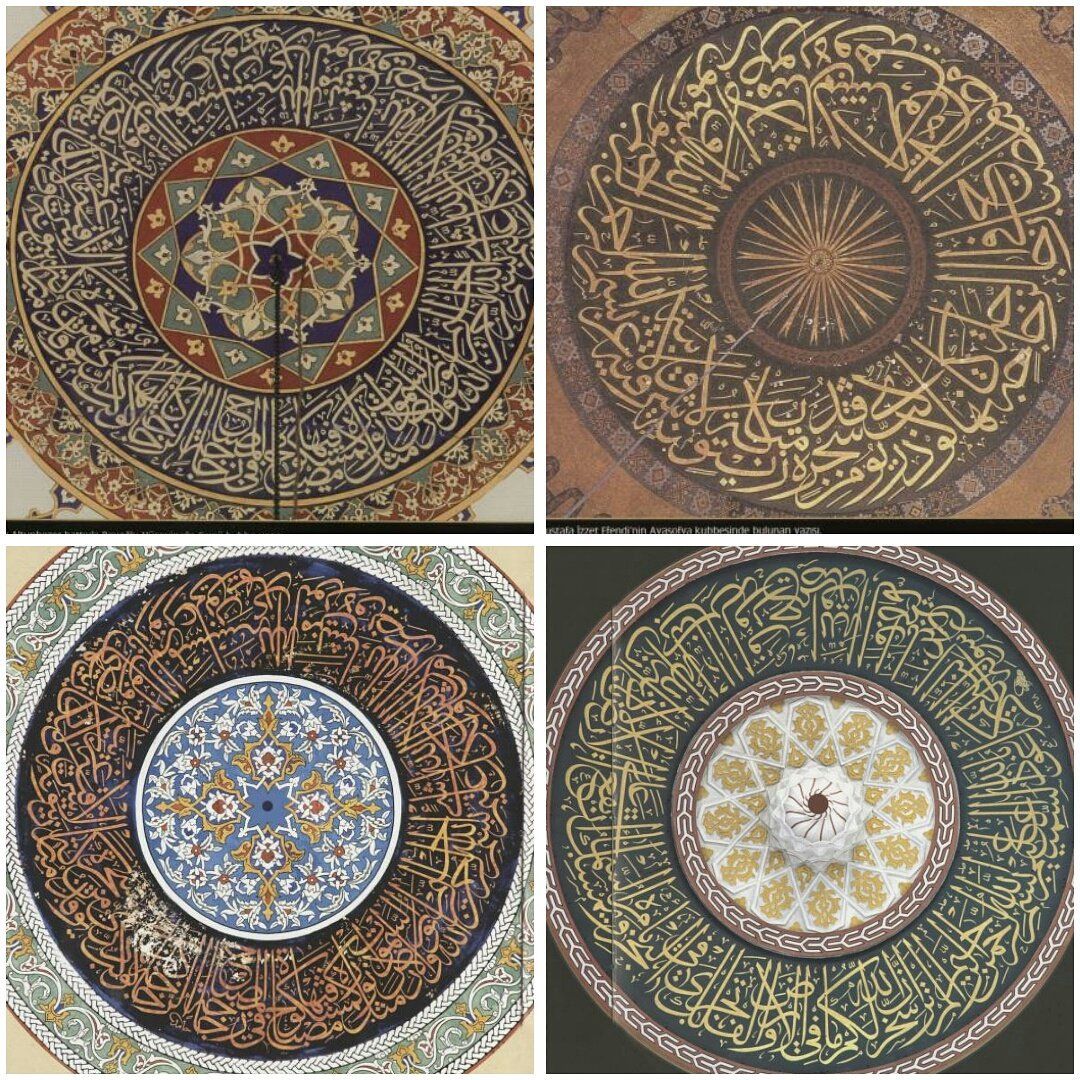
Custom Mosque Dome Calligraphy – DC-03
1.200,00 €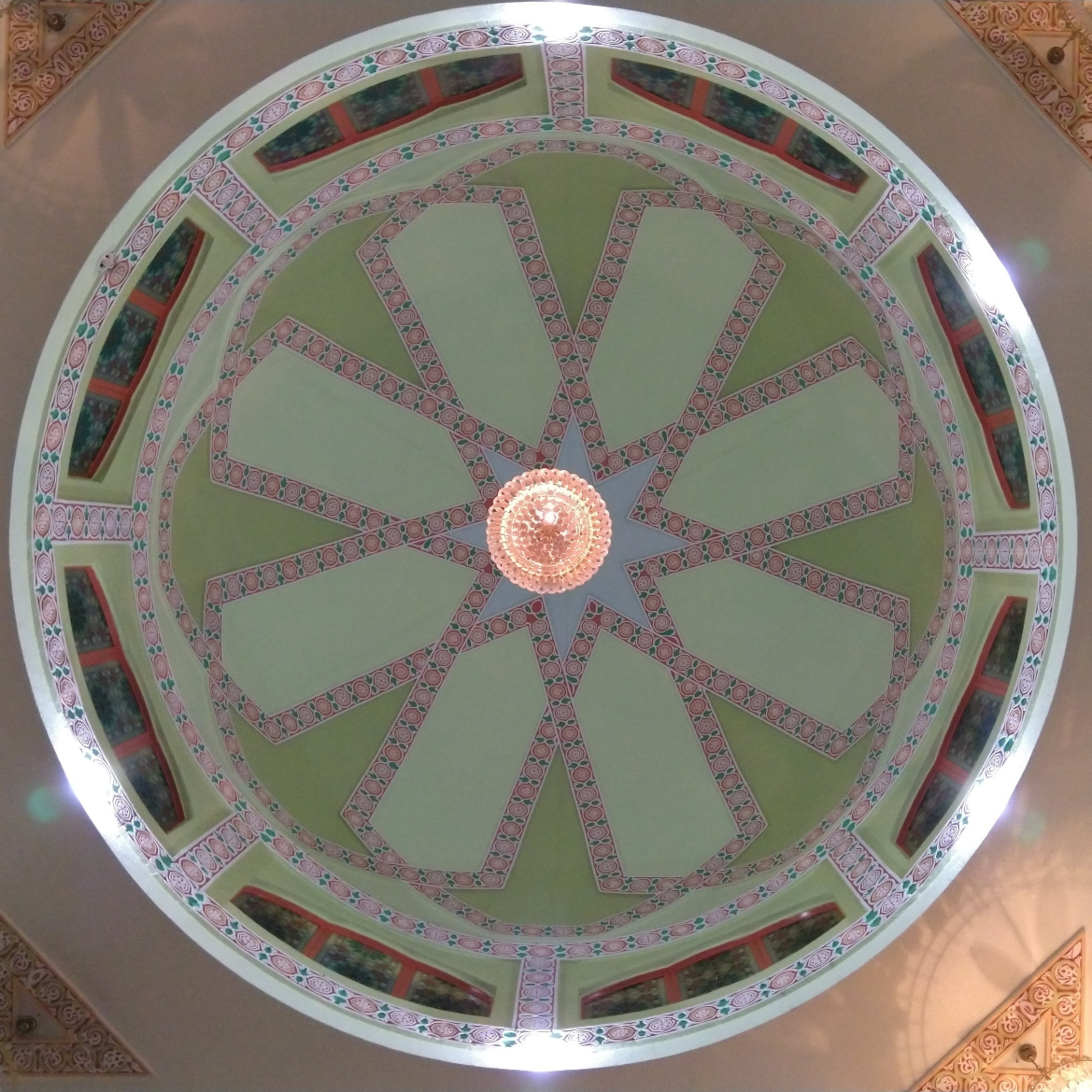
Custom Mosque Dome Calligraphy – DC-04
1.200,00 €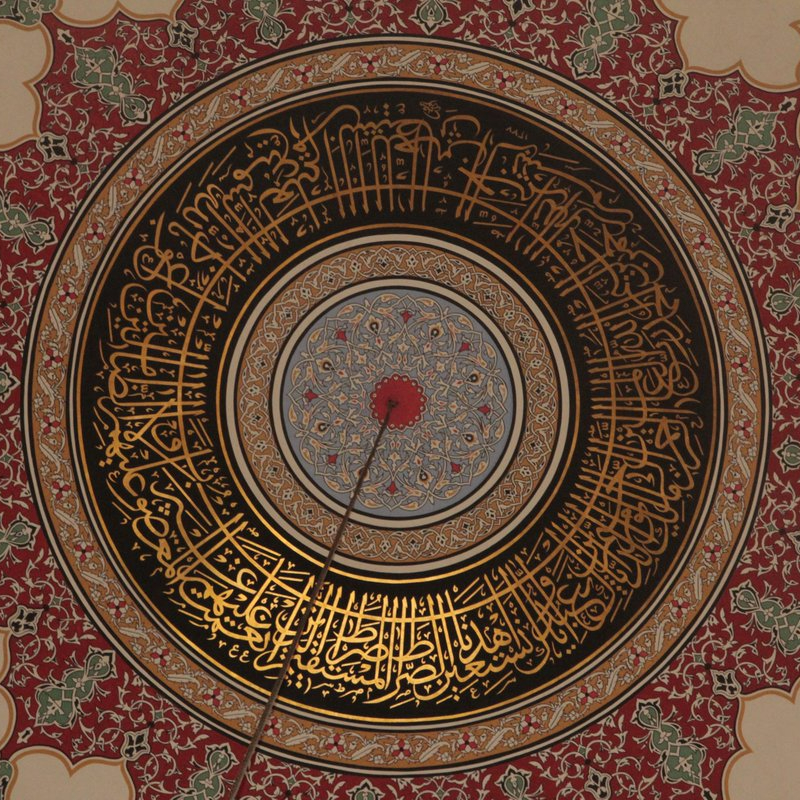
Custom Mosque Dome Calligraphy – DC-05
1.200,00 €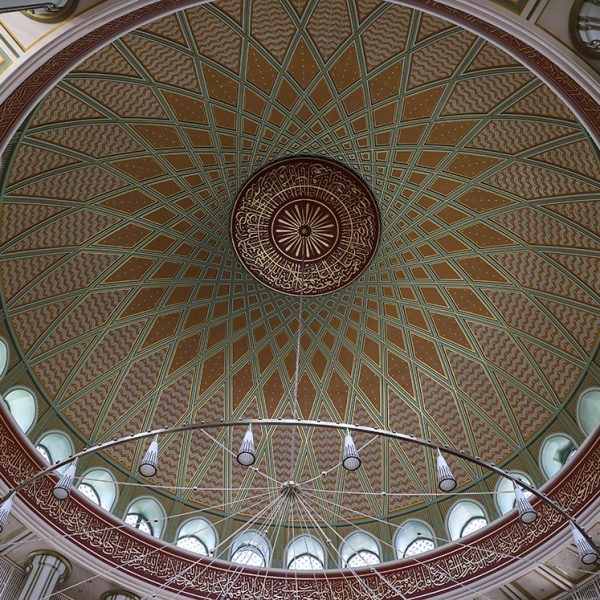
Custom Mosque Dome Calligraphy – DC-07
1.200,00 €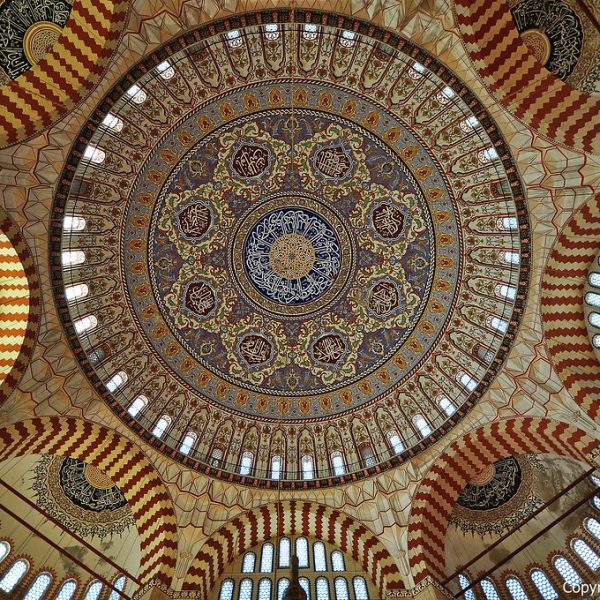
Custom Mosque Dome Calligraphy – DC-08
1.200,00 €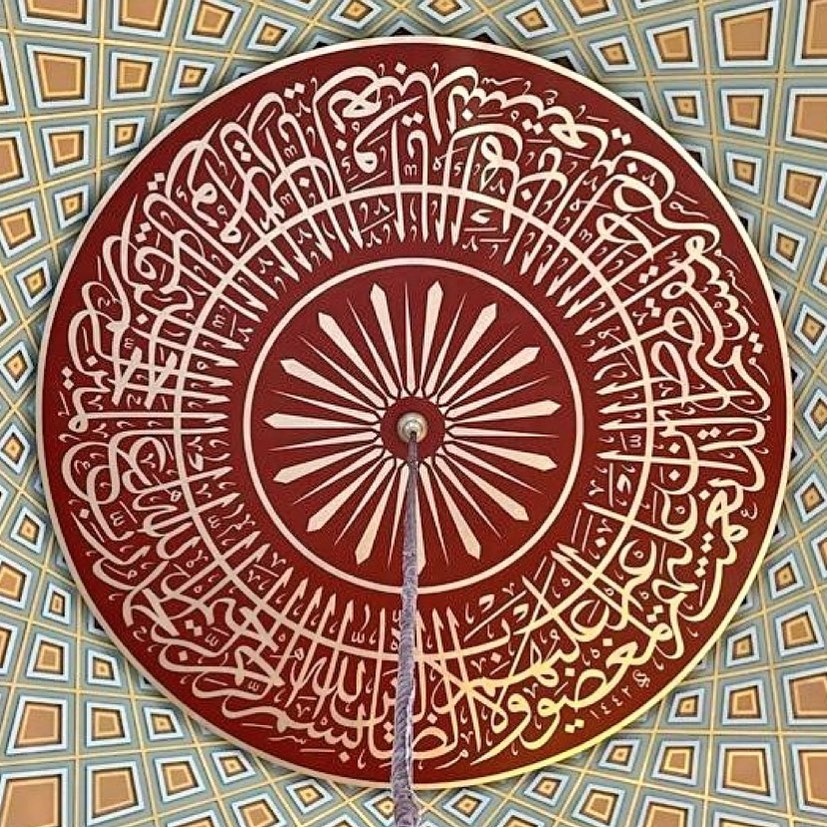
Custom Mosque Dome Calligraphy – DC-09
1.200,00 €Mosque Dome Calligraphy is one of the most remarkable elements of Islamic architecture, symbolizing both spiritual devotion and artistic mastery. Found in the interiors of mosque domes, this form of calligraphy serves not only as decoration but also as a reminder of divine words. By displaying Quranic verses and sacred phrases, mosque dome calligraphy inspires worshippers with beauty and meaning, connecting architecture with faith.
Throughout Islamic history, mosque domes have been enhanced with elegant Arabic calligraphy. Artists carefully select verses that emphasize themes of worship, guidance, and the greatness of Allah. These inscriptions, often combined with geometric and floral motifs, transform a simple dome into a spiritual centerpiece. The harmony between script and structure highlights the unique aesthetic of Islamic design, where every detail carries symbolic significance.
Mosque Dome Calligraphy is also a reflection of cultural diversity. From the Ottoman style with its bold thuluth script to Persian and Arabic influences with delicate kufic designs, each region brings its own interpretation to dome decoration. Despite stylistic differences, the purpose remains the same: to elevate the soul through beauty and sacred words.
Today, Mosque Dome Calligraphy continues to inspire modern mosque projects. Skilled artisans use traditional techniques alongside modern methods to preserve this timeless heritage. Whether in historical mosques or contemporary designs, the calligraphy inside domes represents a bridge between faith, art, and history.
Exploring Mosque Dome Calligraphy means appreciating not only Islamic art but also the profound spiritual messages conveyed through every letter and curve of the script.

 English
 German
 Turkish
 Russian
 French
 Arabic