













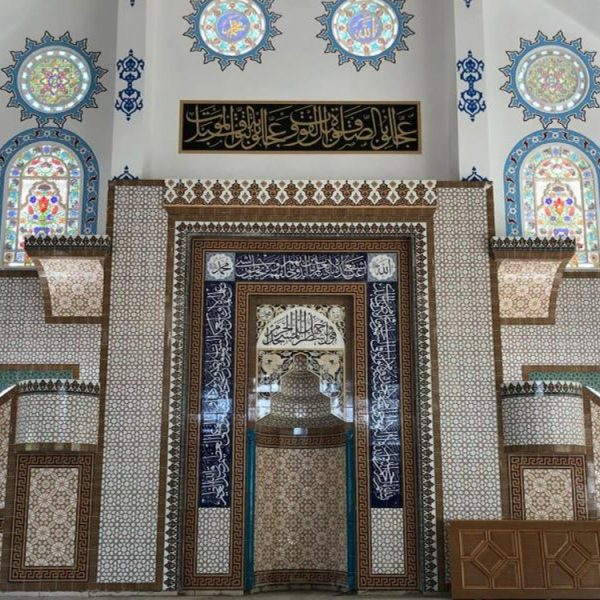
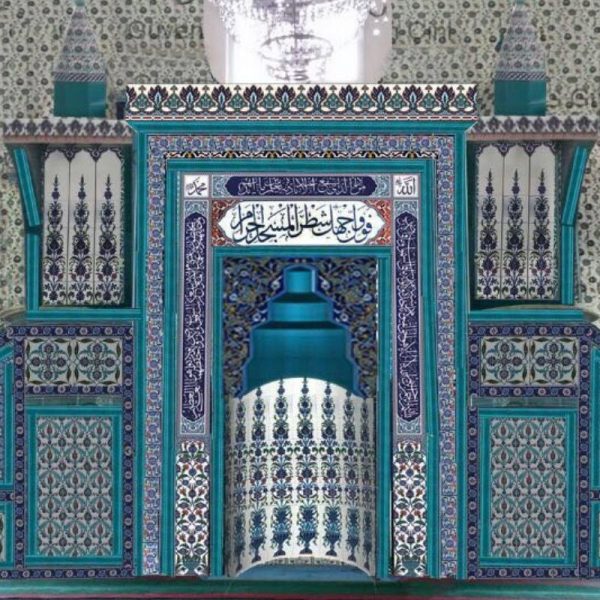
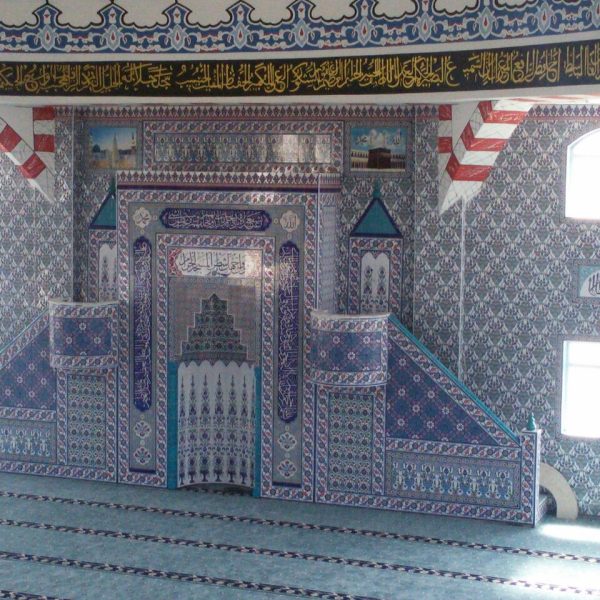
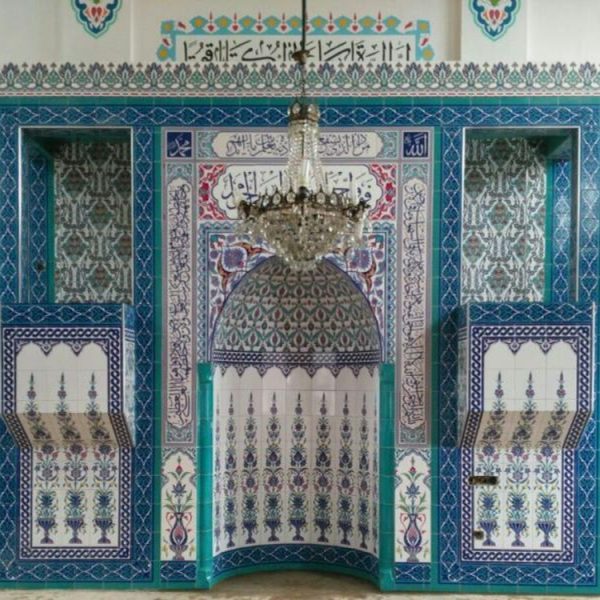
Tile Dais enhances mosques with elegant, Ottoman-inspired tiled pulpits, blending vibrant colors and intricate patterns for spiritual and aesthetic brilliance.
Tile Dais: The Elegance of Tiled Pulpits in Mosques
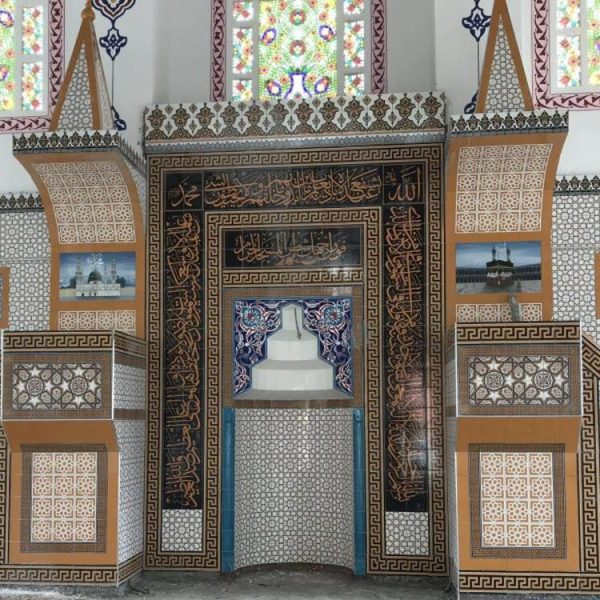
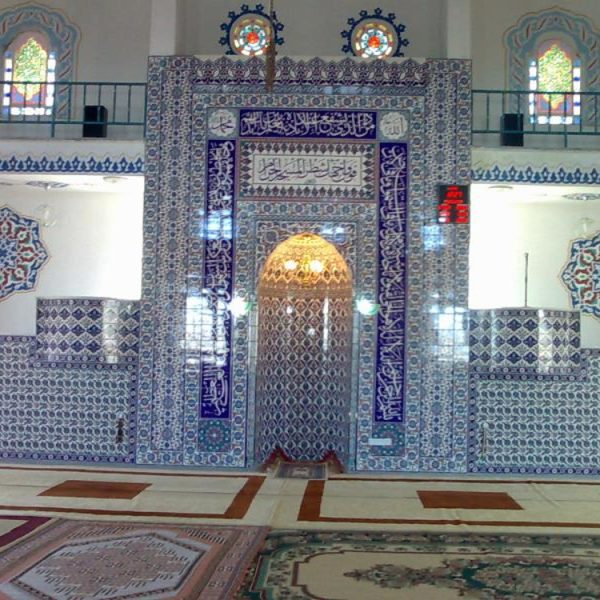
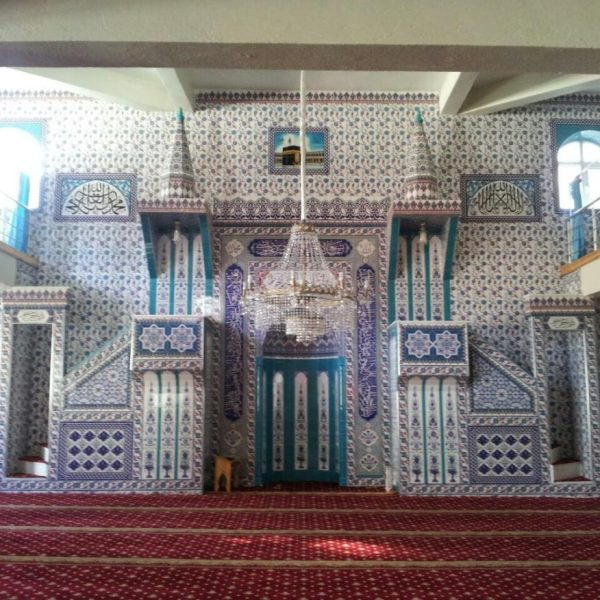
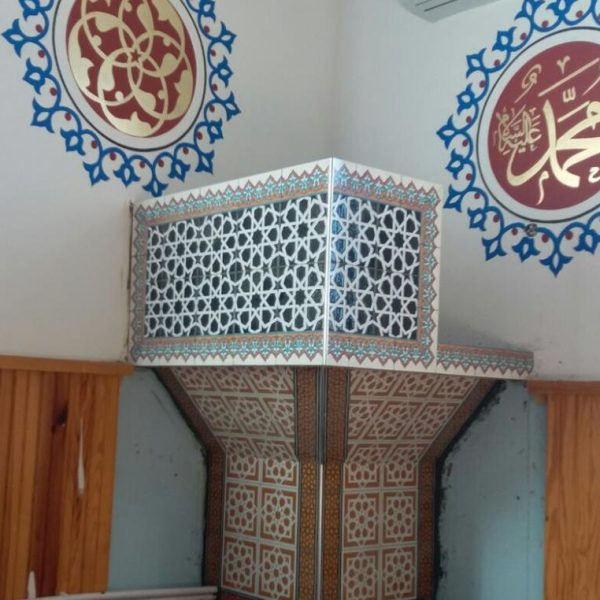
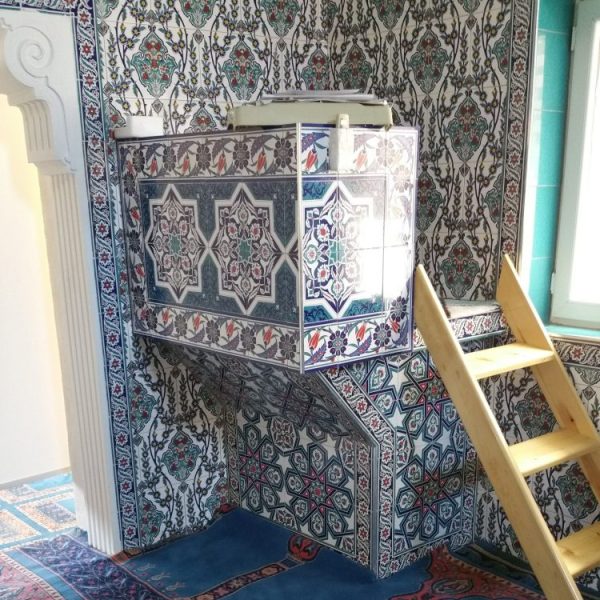
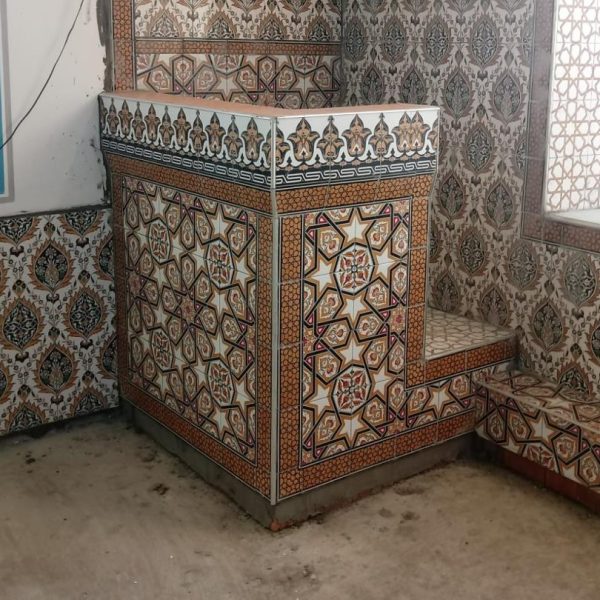
A tile dais is a stunning feature in mosque architecture, blending functionality with artistic heritage. These tiled pulpits, used by speakers to address the congregation, are both practical and visually captivating. Rooted in Ottoman traditions, tile dais designs elevate the spiritual ambiance of mosques while showcasing intricate craftsmanship.
The Role of Tile Dais in Ottoman Culture
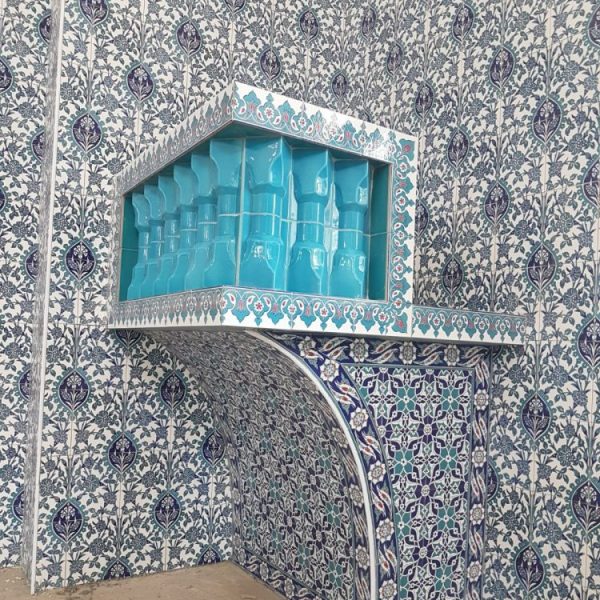
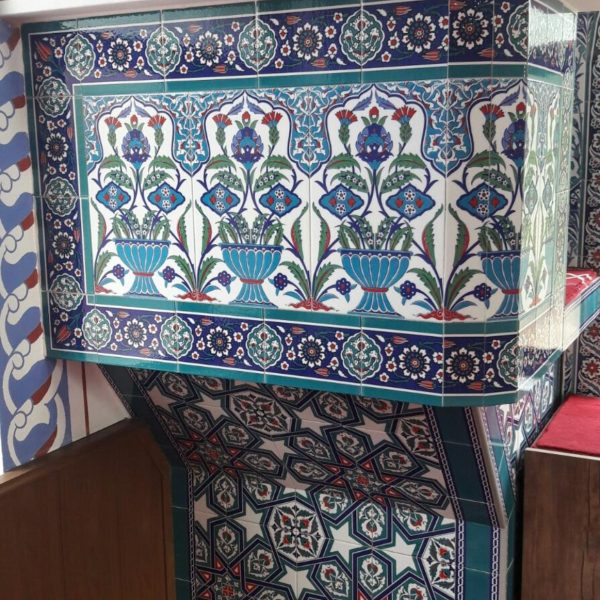
In Ottoman architecture, the tile dais was a symbol of cultural and religious significance. Found in iconic mosques like Sultan Ahmed and Süleymaniye, these pulpits were adorned with Iznik tiles, showcasing masterful artistry. Beyond their functional role, tile dais pieces reflected the Ottoman Empire’s commitment to aesthetic excellence, transforming mosques into spaces of divine inspiration. Today, they remain a testament to Islamic art, preserving cultural heritage in modern designs.
Colors and Patterns: Adding Meaning to Mosques
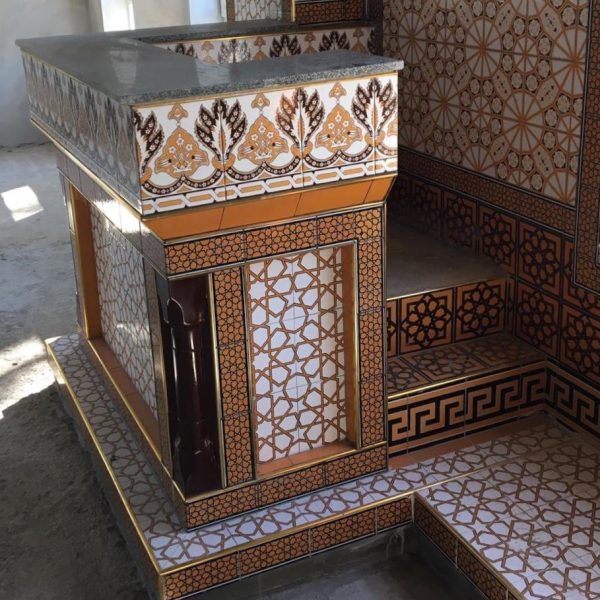
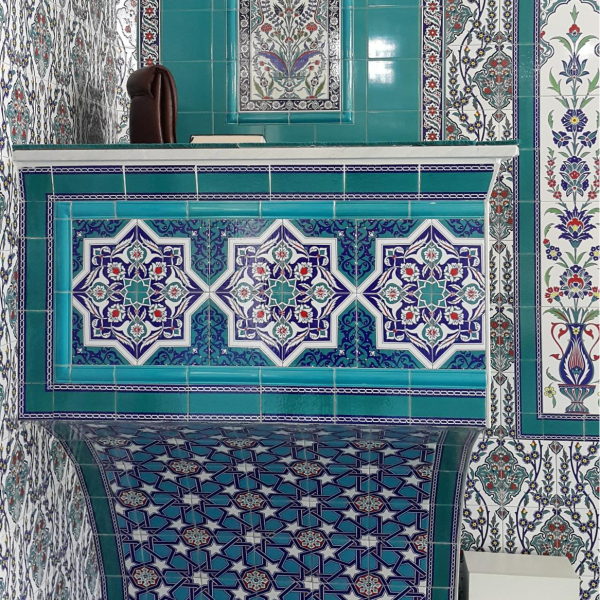
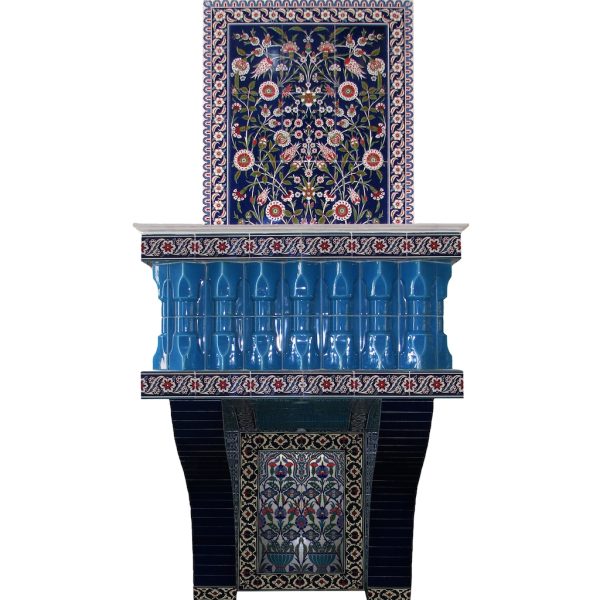
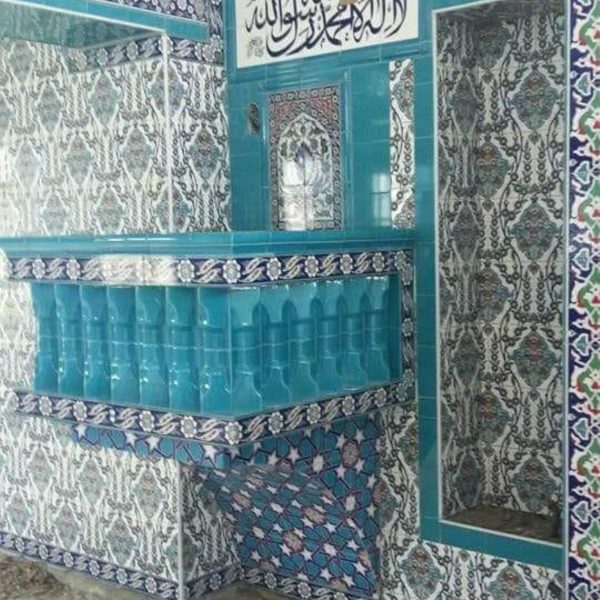
Tile dais designs vary in color and pattern, each adding unique meaning to a mosque’s atmosphere. Blue tiles evoke serenity, green patterns symbolize nature and paradise, while red and gold accents signify grandeur. Geometric motifs represent eternity, and floral designs suggest abundance. This diversity allows architects to personalize mosque interiors, ensuring each tile dais tells a distinct story that resonates with worshippers.
Modern Applications of Tile Dais
Contemporary tile dais designs combine traditional techniques with durable materials, ensuring longevity and easy maintenance. Available on platforms like Mosquebuild.com, these pulpits cater to modern mosque projects while honoring timeless artistry.
In conclusion, a tile dais is more than a pulpit—it’s a cultural treasure. By incorporating vibrant colors and patterns, tile dais enhances the spiritual and aesthetic essence of mosques.
