














Ottoman Mosque Mihrab: A Blend of Tradition and Artistry
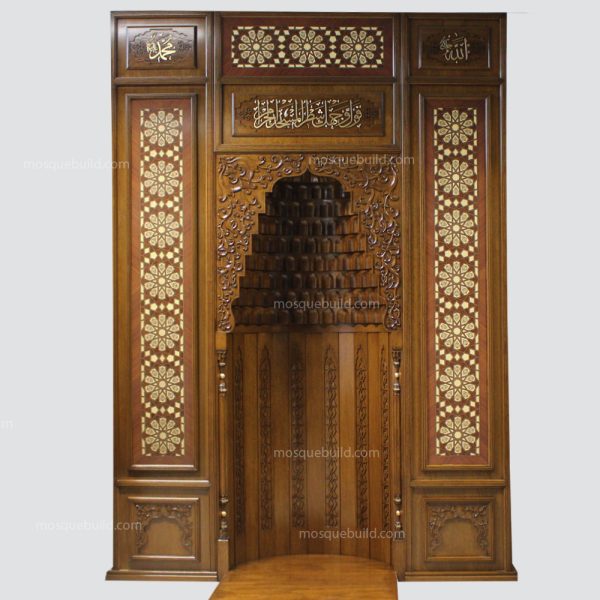
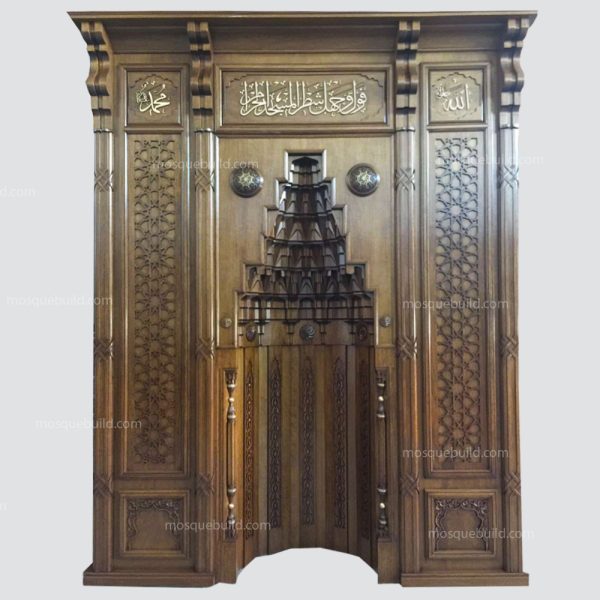
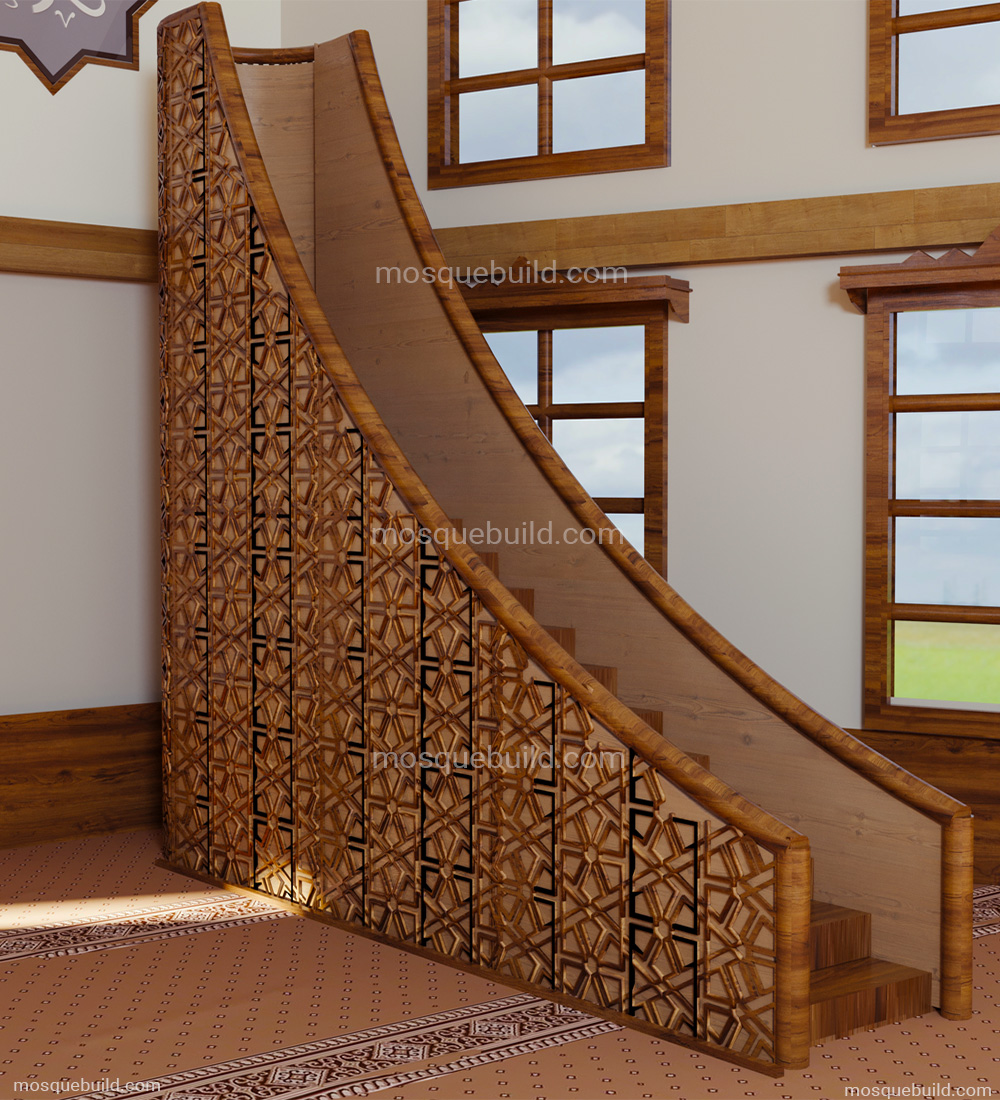
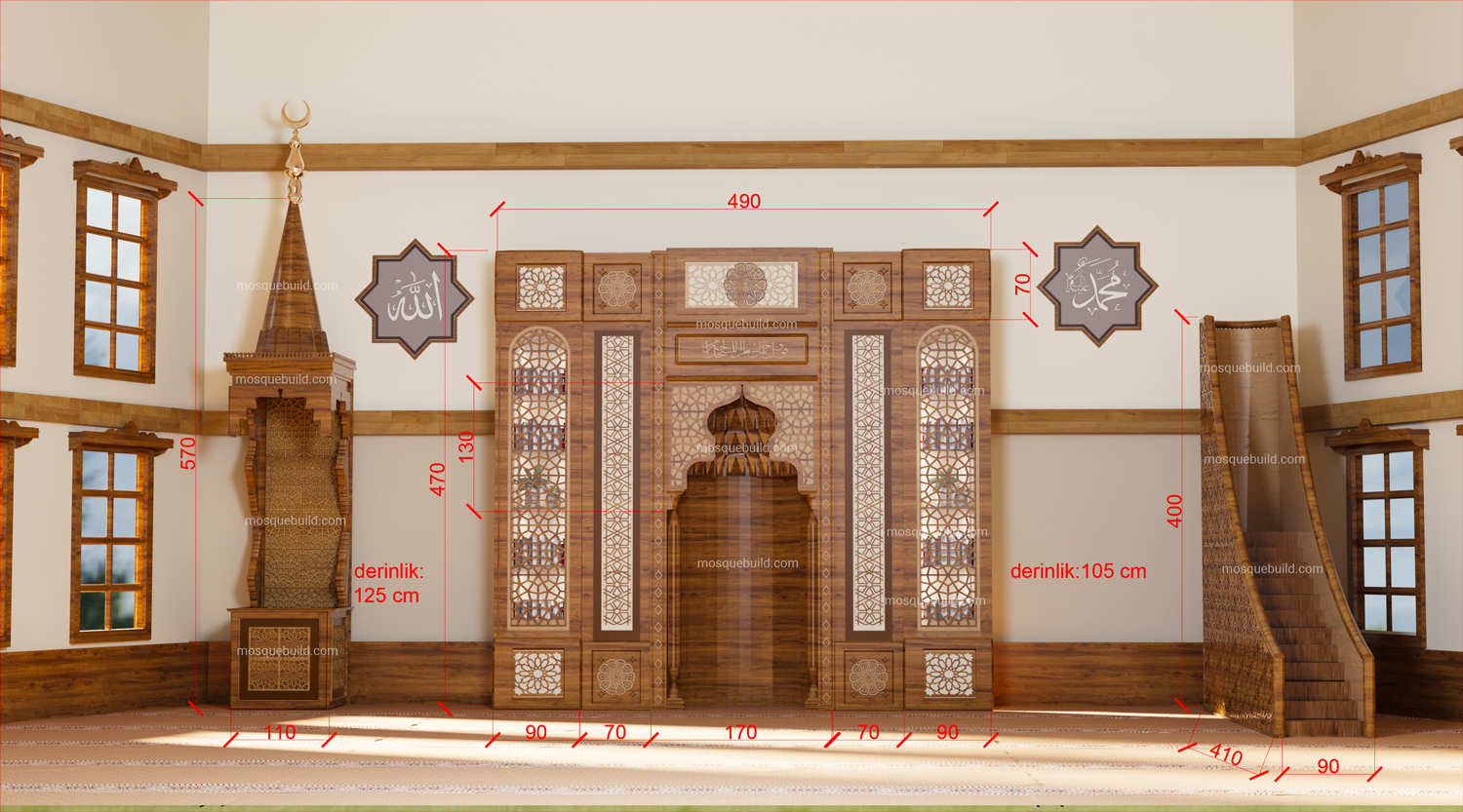
Ottoman Mosque Mihrab designs hold a special place in Islamic architecture and culture. These decorative elements not only mark the direction of prayer in mosques but also embody centuries of artistic heritage, religious symbolism, and cultural identity. Each Ottoman mihrab is a masterpiece that combines aesthetics, craftsmanship, and spiritual meaning, reflecting the rich history of the Ottoman Empire.
The Role and Significance of the Ottoman Mosque Mihrab
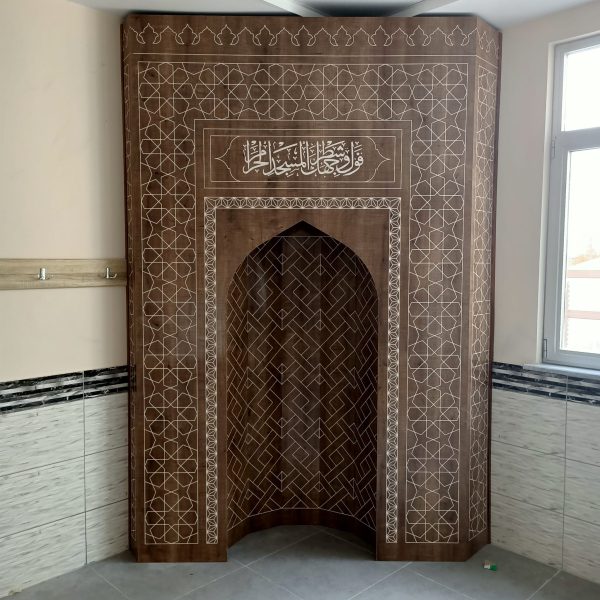
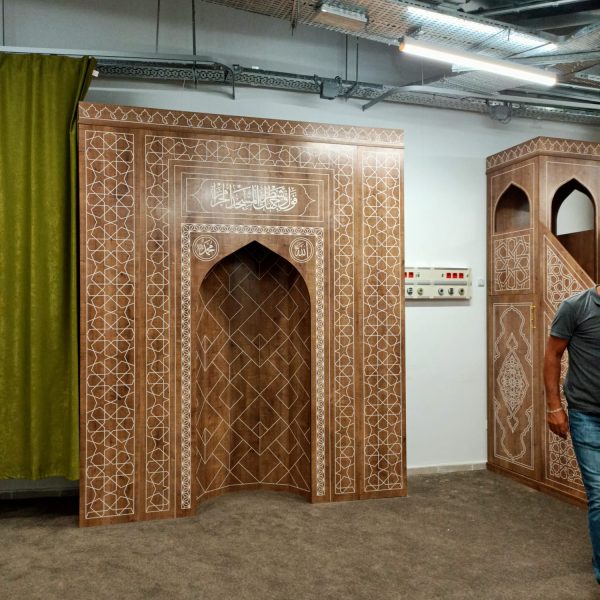
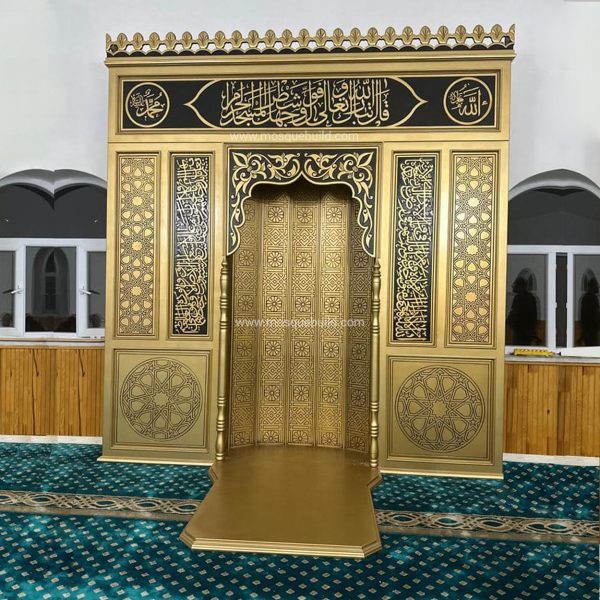
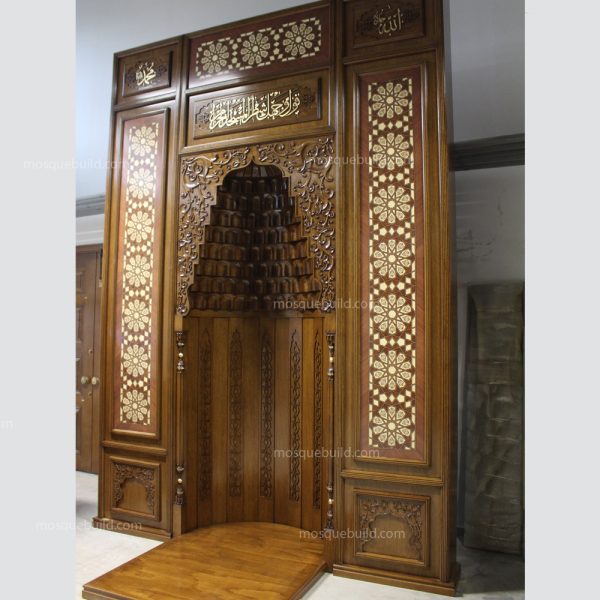
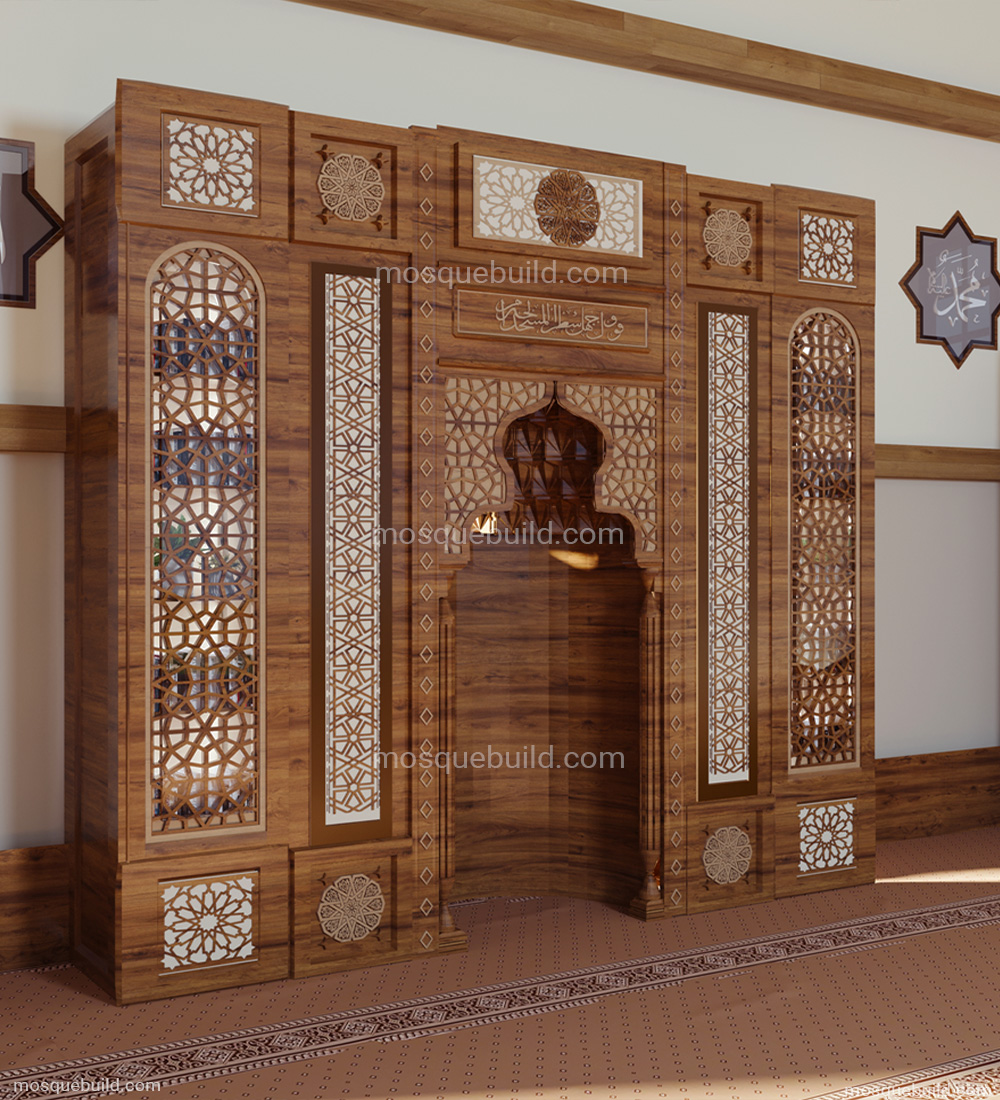
Mihrabs serve as a focal point in mosques, indicating the qibla—the direction Muslims face during prayer toward the Kaaba in Mecca. The Ottoman Mosque Mihrab is distinguished by its elegant and intricate design, which harmoniously blends functionality with artistic expression. These mihrabs are often large and elaborately decorated to emphasize their sacred role within the mosque.
Artistic Elements and Motifs in Ottoman Mosque Mihrabs
The artistic beauty of the Ottoman Mosque Mihrab lies in its use of symbolic motifs and rich ornamentation. Common design elements include:
-
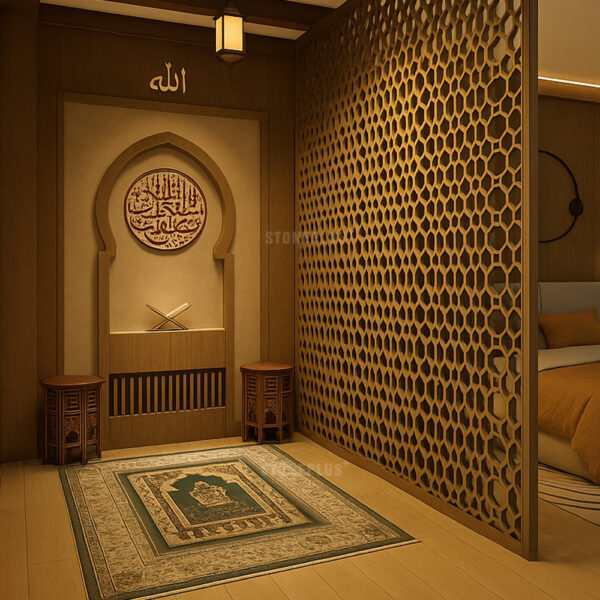
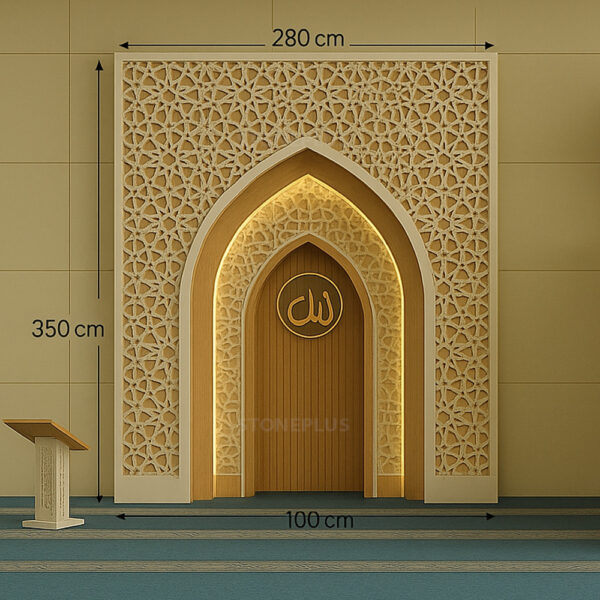
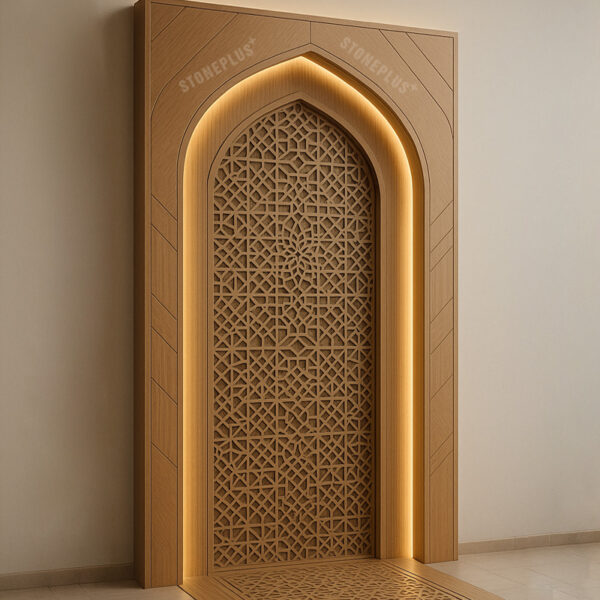
Geometric patterns: Symmetrical and repetitive shapes that symbolize the infinite nature of Allah.
-
Floral ornaments: Stylized flowers and vines representing paradise and divine beauty.
-
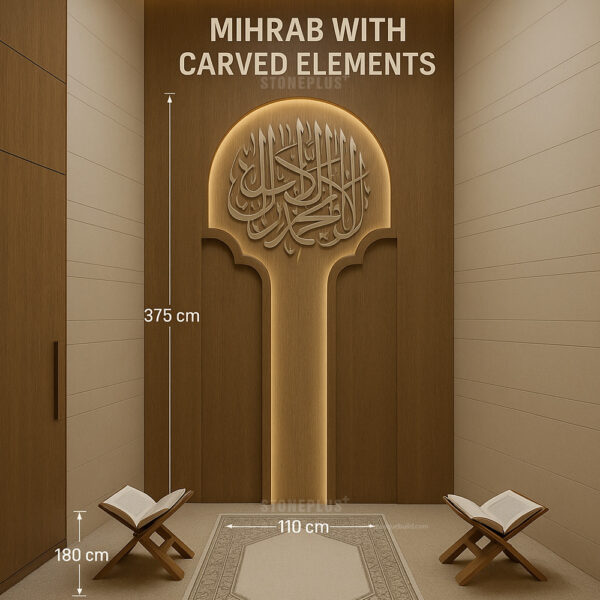
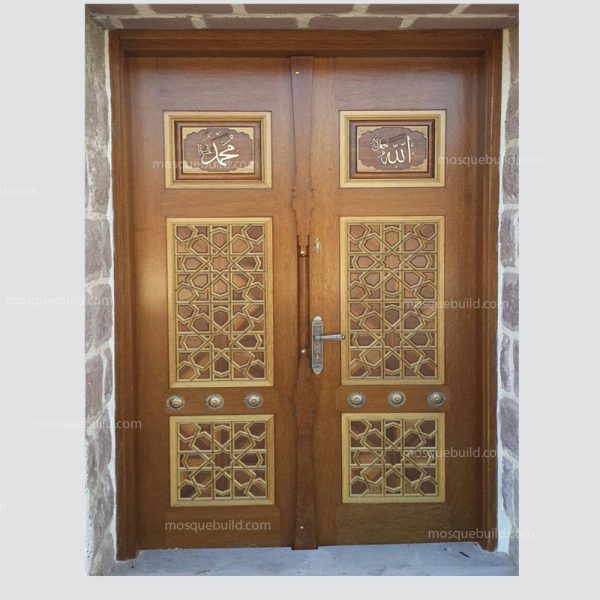
Calligraphy: Quranic verses and prayers inscribed in elegant Arabic script, adding spiritual depth.
-
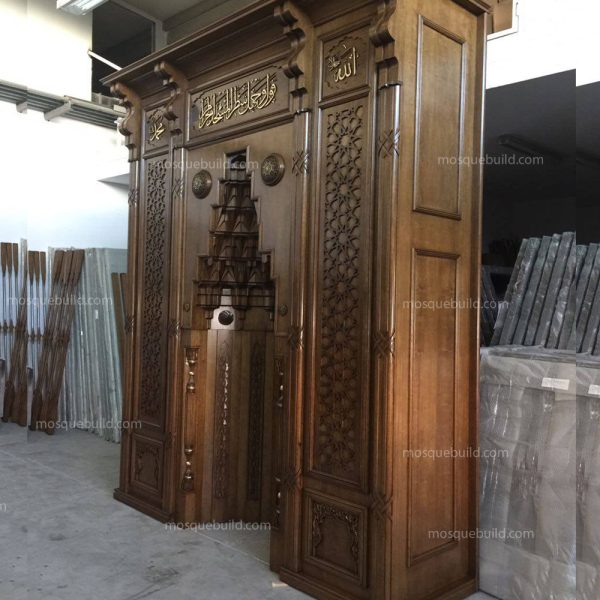
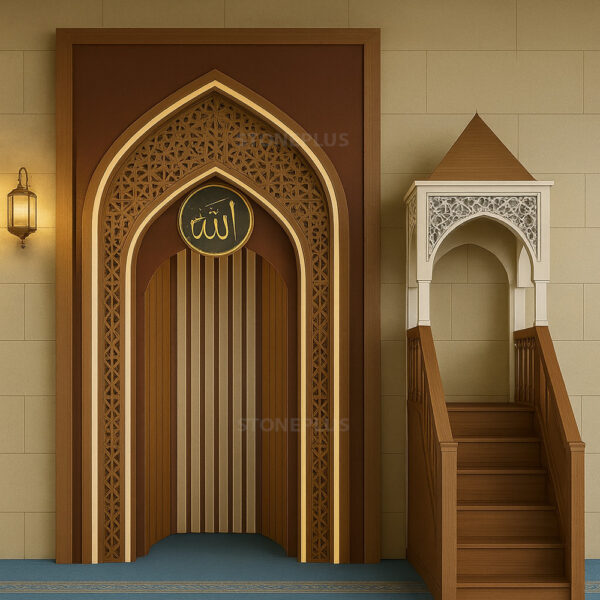
Ornamental art: Intricate carvings and mosaic works that demonstrate masterful craftsmanship.
These motifs are carefully chosen to create a balanced visual impact, encouraging reflection and reverence among worshippers.
Materials and Craftsmanship
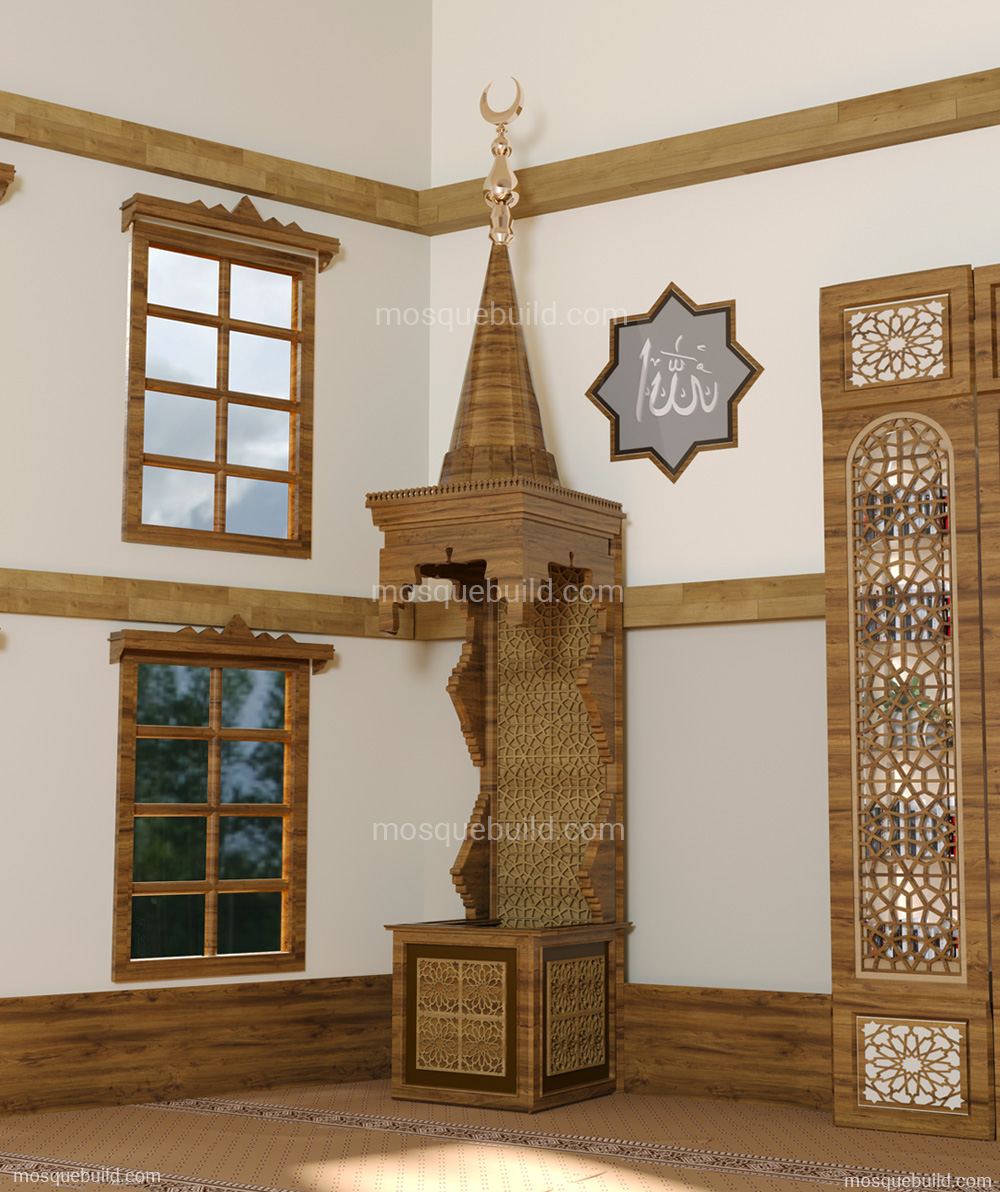
Traditional Ottoman Mosque Mihrab designs often showcase a variety of materials that enhance their visual and tactile appeal. Artisans use colorful ceramics, marble, wood carvings, and mosaic tiles to build detailed and durable mihrabs. The combination of these materials results in a striking contrast of colors, textures, and patterns, making each mihrab unique.
Cultural and Regional Influences
While the Ottoman Mosque Mihrab follows a general artistic style associated with the empire, it also reflects regional variations influenced by local cultures and historical periods. The diversity in design highlights the dynamic nature of Ottoman art, which absorbed elements from Byzantine, Persian, and Islamic artistic traditions. This cultural fusion gives each mihrab a distinctive character tied to its geographical and historical context.
Spiritual and Architectural Symbolism
Beyond decoration, the Ottoman Mosque Mihrab serves as a symbol of spiritual guidance and community identity. Its placement and design contribute to the mosque’s overall architectural harmony and inspire a sense of devotion. By blending religious symbolism with architectural aesthetics, the mihrab fosters a sacred atmosphere conducive to worship and contemplation.