











Traditional Mosque Dome Design
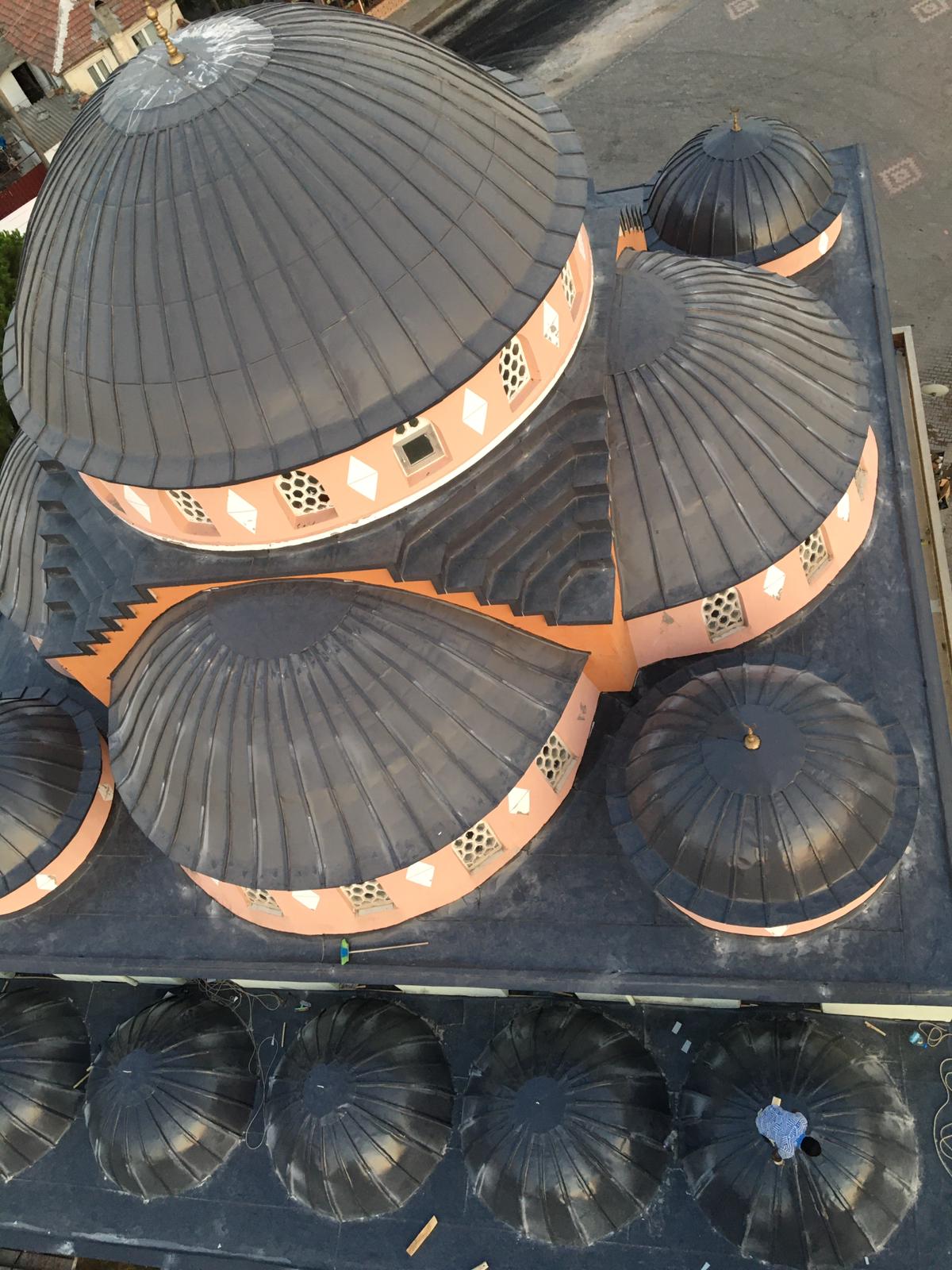
The traditional mosque dome design is a cornerstone of Islamic architecture. It reflects centuries of cultural, religious, and artistic heritage. As a result, these domes are not only functional but also deeply symbolic.
Historically, mosque domes were built using natural materials like stone, brick, and tiles. These materials provided strength and durability, essential for large structures. For example, the famous Sultan Ahmed Mosque features beautiful blue tiles arranged in intricate patterns that adorn its domes.
Moreover, traditional dome designs often incorporate geometric and floral motifs. These elements are carefully crafted to convey spiritual meanings and to enhance the mosque’s aesthetic appeal. In addition, many domes feature calligraphy with Quranic verses, further connecting the structure to Islamic teachings.
Furthermore, traditional mosque domes usually have a hemispherical or onion shape. This design helps distribute weight evenly and allows for impressive interior acoustics. Therefore, worshippers can hear prayers clearly throughout the mosque.
Despite advances in construction technology, many architects still respect traditional designs. They often combine classic forms with modern materials to maintain both heritage and durability. For example, some mosques use lightweight fiberglass covers that mimic the look of traditional tiles.
In conclusion, the traditional mosque dome design remains a vital element of Islamic culture. It represents faith, artistry, and architectural ingenuity. Ultimately, preserving these designs ensures that future generations can appreciate their timeless beauty and significance.
Related Keywords:
-
Islamic dome architecture
-
Traditional mosque roofing
-
Decorative mosque domes
-
Hemispherical dome design
-
Mosque dome patterns
-
Historical mosque construction