


Mosque Wall Cladding Materials: Wood vs Stone vs Tile vs Acoustic Panels
Wall cladding changes durability, acoustics, maintenance and visual warmth; choosing by appearance alone can create costly conflicts.
Wood
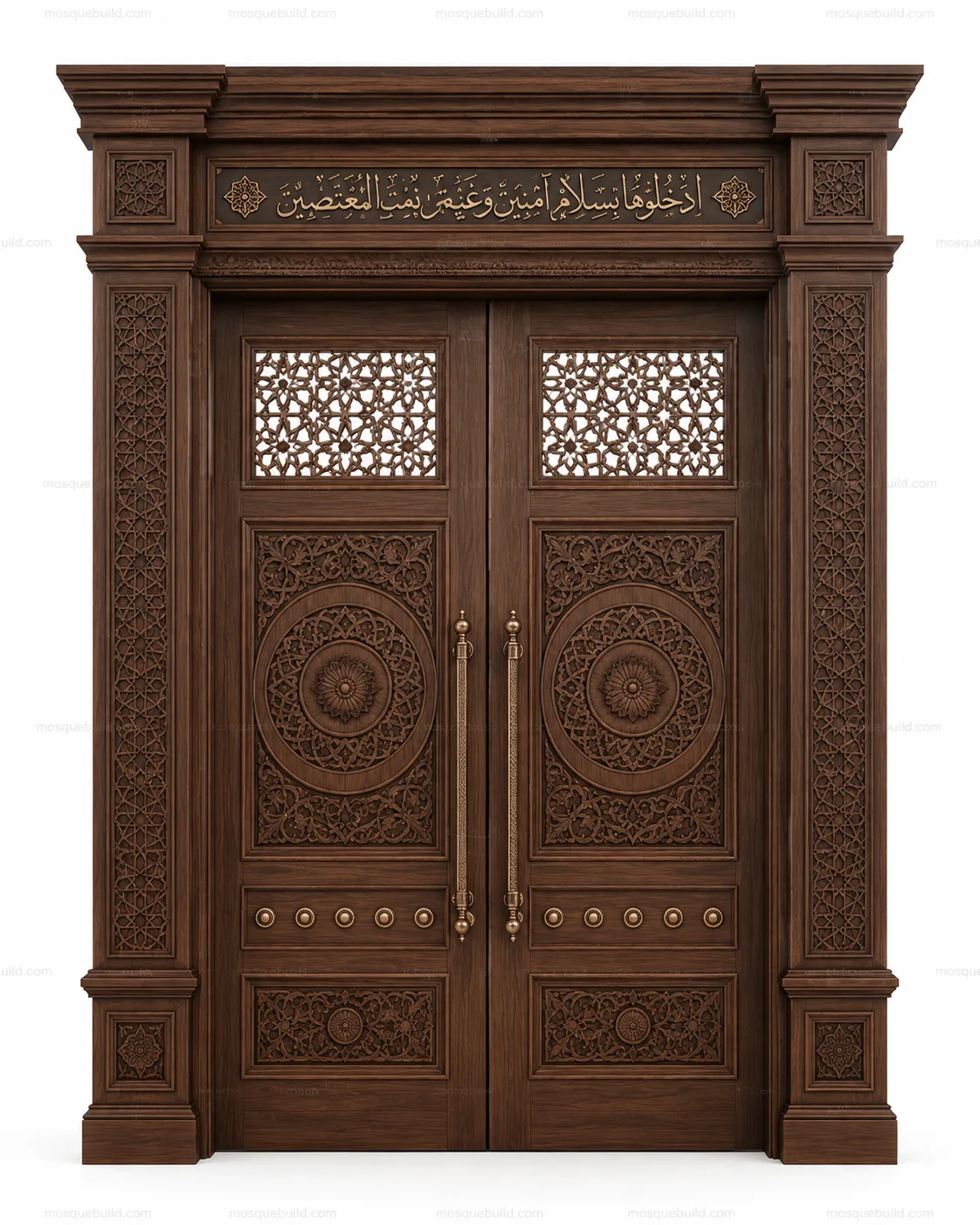
Wood brings warmth and can integrate geometric screens, storage or acoustic perforation. Species, substrate and finish should suit the project environment.
Stone and Tile
Stone provides durable monumental surfaces; tile can add colour and calligraphy. Both are relatively reflective acoustically unless combined with other treatments.
Acoustic Panels
Perforated wood or concealed absorptive systems can support speech clarity while preserving the architectural language. Ratings should come from the actual tested system.
What to Send MosqueBuild
Send the project country/city, drawings or measured sketches, site photographs, required scope, reference images and known installation/delivery constraints. This lets the project be reviewed as a coordinated system rather than as an isolated catalogue item.
Important: Fire and acoustic performance claims must use the actual specified system and local requirements.
Related Project Resources
Wooden mosque wall cladding · Mosque interior decoration · Wall panel project reference
Send your project details to MosqueBuild for a project-specific review.
Choose wall cladding by location and performance
Wood, stone, tile and acoustic panels serve different purposes. Qibla walls may prioritise visual focus and integrated joinery, entrance zones need impact resistance, and side/rear walls may need acoustic absorption or service access.
Comparison factors
- weight and substrate capacity
- cleaning and maintenance
- humidity and wudu adjacency
- fire and acoustic requirements
- access to concealed services
- repairability and replacement
A mixed palette can work well when transitions are deliberate. See mosque wall cladding and cladding products.
Related Mosque Interior Solutions
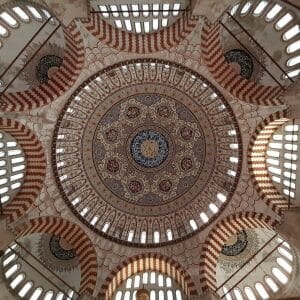
Explore Mosque Dome Systems
Continue from this guide to the main solution page, technical directory and closely related resources.
 English
 German
 Turkish
 Russian
 French
 Arabic