


Small Mosque Interior Design
MosqueBuild Technical Guide
Small Mosque Interior Design should be planned from the mosque itself rather than selected only from a reference image. The project team should confirm Prayer capacity, Qibla axis and Prayer row spacing before the final design, price and production scope are fixed.
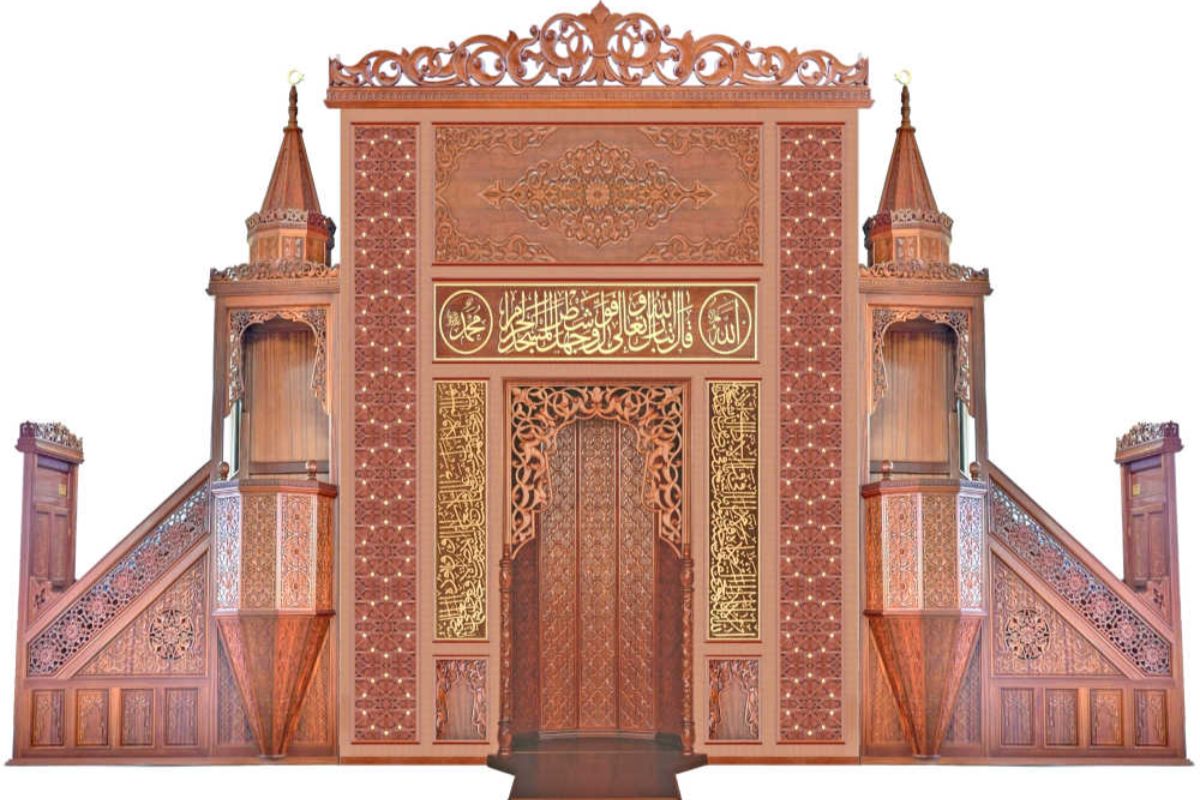
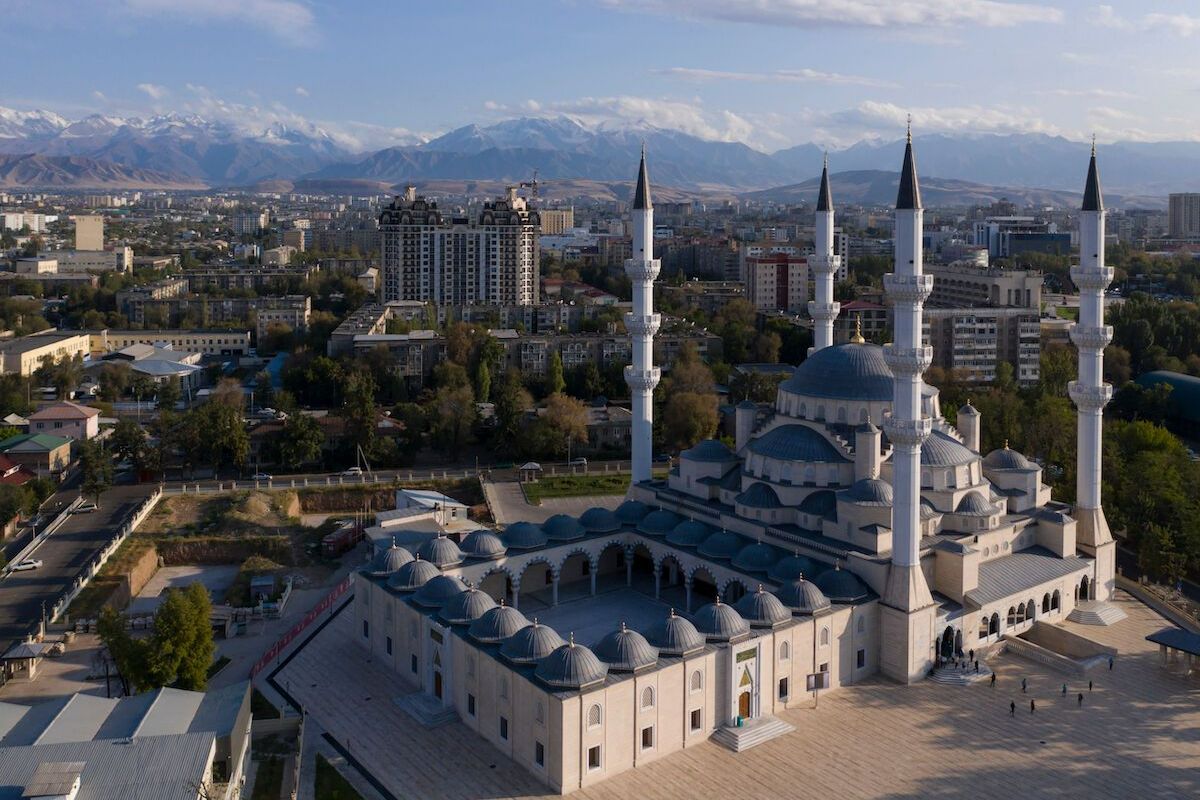
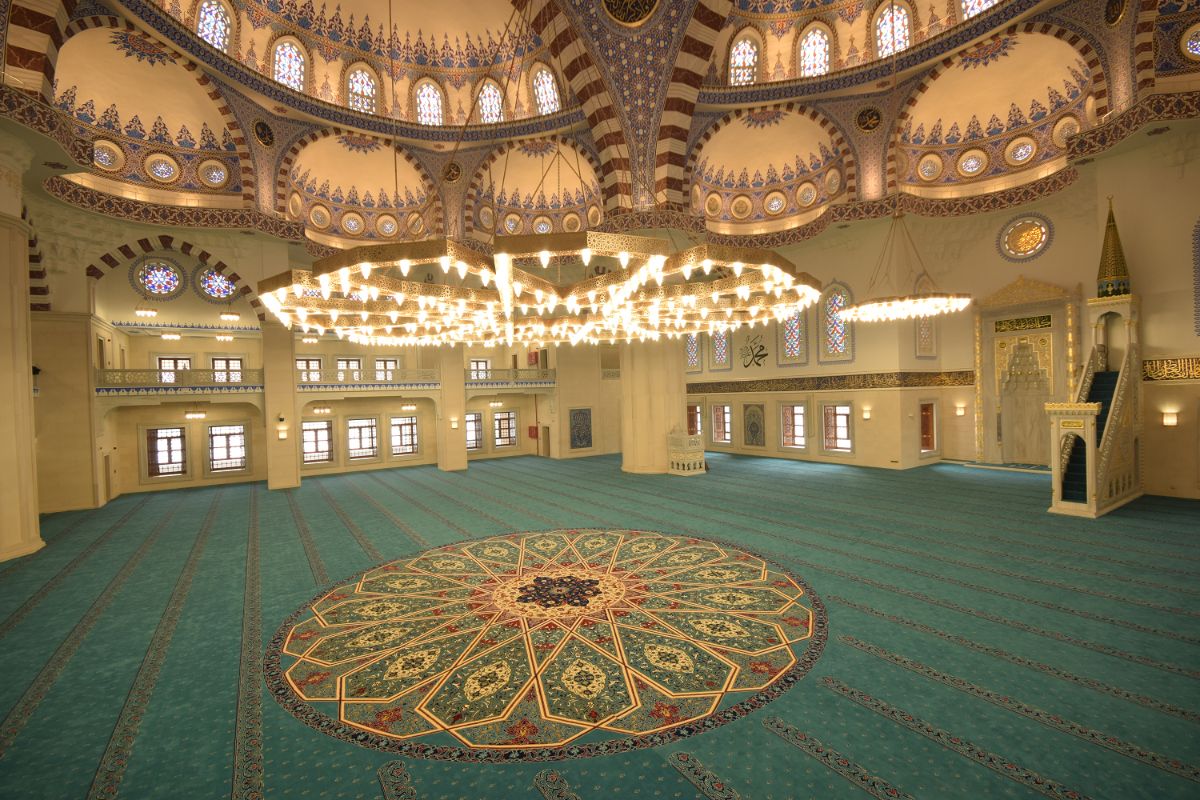
Mosque interiors should be planned around worship first: qibla orientation, prayer capacity, circulation, row organisation, acoustics, daylight and maintenance. Decorative decisions become stronger when these functional layers are resolved early. This guide combines design choices with the practical information needed before manufacture or installation.
Small Mosque Interior Design should be planned from the mosque itself rather than selected only from a reference image. The project team should confirm Prayer capacity, Qibla axis and Prayer row spacing before the final design, price and production scope are fixed.
Design and technical priorities
For Small Mosque Interior Design, the following items should be written into the project brief and checked on drawings before approval. Treat them as connected decisions: changing one can affect proportion, cost, fabrication and installation elsewhere.
Prayer capacity
Define Prayer capacity from measured site information. Record the accepted dimension or range on the approved drawing so fabrication does not depend on assumptions.
Qibla axis
Check Qibla axis against surrounding clearances and the overall proportion of Small Mosque Interior Design. A dimension that looks correct in isolation may not work once people, furniture or adjacent architectural elements are considered.
Prayer row spacing
Coordinate Prayer row spacing before shop drawings are frozen. Late dimensional changes can affect joints, fixings, transport modules and installation time.
Circulation routes
Define Circulation routes from measured site information. Record the accepted dimension or range on the approved drawing so fabrication does not depend on assumptions.
Storage capacity
Treat Storage capacity as a functional requirement, not a decorative afterthought. The accepted solution should be visible on the same drawing set used by fabrication and installation teams.
Lighting layers
Check Lighting layers with the client, architect and relevant specialist early. Small coordination decisions made before production often prevent expensive site modifications.
Acoustic performance
Coordinate Acoustic performance with the architectural plan and other disciplines before production. This is especially important where circulation, services, sight lines or worship functions intersect.
Accessibility
Treat Accessibility as a functional requirement, not a decorative afterthought. The accepted solution should be visible on the same drawing set used by fabrication and installation teams.

Project decision matrix
Use this matrix before drawings are frozen. It turns the page topic into decisions that can be checked, approved and handed to fabrication or site teams.
Prayer capacity
Why it mattersDefine Prayer capacity from measured site information. Record the accepted dimension or range on the approved drawing so fabrication does not depend on assumptions.
What to confirmConfirm Prayer capacity with a drawing, measured note, photograph or written requirement so the project team does not have to assume it.
Qibla axis
Why it mattersCheck Qibla axis against surrounding clearances and the overall proportion of Small Mosque Interior Design. A dimension that looks correct in isolation may not work once people, furniture or adjacent architectural elements are considered.
What to confirmConfirm Qibla axis with a drawing, measured note, photograph or written requirement so the project team does not have to assume it.
Prayer row spacing
Why it mattersCoordinate Prayer row spacing before shop drawings are frozen. Late dimensional changes can affect joints, fixings, transport modules and installation time.
What to confirmConfirm Prayer row spacing with a drawing, measured note, photograph or written requirement so the project team does not have to assume it.
Circulation routes
Why it mattersDefine Circulation routes from measured site information. Record the accepted dimension or range on the approved drawing so fabrication does not depend on assumptions.
What to confirmConfirm Circulation routes with a drawing, measured note, photograph or written requirement so the project team does not have to assume it.
Storage capacity
Why it mattersTreat Storage capacity as a functional requirement, not a decorative afterthought. The accepted solution should be visible on the same drawing set used by fabrication and installation teams.
What to confirmConfirm Storage capacity with a drawing, measured note, photograph or written requirement so the project team does not have to assume it.
Lighting layers
Why it mattersCheck Lighting layers with the client, architect and relevant specialist early. Small coordination decisions made before production often prevent expensive site modifications.
What to confirmConfirm Lighting layers with a drawing, measured note, photograph or written requirement so the project team does not have to assume it.
Materials and finish strategy
For Small Mosque Interior Design, material choice is not a cosmetic decision. Compare Mosque carpet, Wood and decorative panels, Architectural paint / decorative finish, LED lighting components against Prayer capacity, Qibla axis, cleaning, transport and the conditions at the destination before approving samples.
Mosque carpet
Mosque carpet can be considered where it suits the design and project conditions. Confirm finish, durability, cleaning method, edge details and compatibility with adjacent materials before approval.
Wood and decorative panels
When using Wood and decorative panels, define the visible finish and hidden fixing method together. A premium surface can still perform poorly if the backing, joints or access strategy are unresolved.
Decorative tile
Evaluate Decorative tile against maintenance, transport and replacement needs as well as appearance. Project location and local code requirements should be confirmed by the responsible project team.
Architectural paint / decorative finish
Architectural paint / decorative finish can be considered where it suits the design and project conditions. Confirm finish, durability, cleaning method, edge details and compatibility with adjacent materials before approval.
LED lighting components
When using LED lighting components, define the visible finish and hidden fixing method together. A premium surface can still perform poorly if the backing, joints or access strategy are unresolved.
Recommended project workflow
1. Define the brief
Share mosque location, photographs, architectural drawings, target style, programme and the exact scope expected from MosqueBuild. This separates design questions from items supplied by other contractors. For Small Mosque Interior Design, record Prayer capacity and Qibla axis explicitly at this stage.
2. Measure and verify
Confirm the real site dimensions and identify structural, electrical, plumbing or finish interfaces that can influence Small Mosque Interior Design. For renovation projects, measured information should take priority over old drawings. For Small Mosque Interior Design, record Prayer row spacing and Circulation routes explicitly at this stage.
3. Develop the concept
Select proportions, material direction and visual language. At this stage the concept should be checked against prayer use, circulation and maintenance rather than judged only as a rendered image. For Small Mosque Interior Design, record Storage capacity and Lighting layers explicitly at this stage.
4. Coordinate technical details
Resolve the key factors listed in this guide, including fixing, access and interfaces with other trades. Where structural or electrical calculations are required, the responsible local engineer should verify them. For Small Mosque Interior Design, record Acoustic performance and Accessibility explicitly at this stage.
5. Approve shop information
Freeze dimensions, finish samples, drawings and product references before production. Record revisions clearly so the workshop and site use the same approved information. For Small Mosque Interior Design, record Prayer capacity and Qibla axis explicitly at this stage.
6. Plan delivery and installation
Confirm packing, transport modules, lifting/access route, site readiness and installation responsibility. International projects should also check destination-specific customs and local compliance requirements. For Small Mosque Interior Design, record Prayer row spacing and Circulation routes explicitly at this stage.
Information to send for a useful quotation
A useful quotation starts with a useful brief. For Small Mosque Interior Design, send the project information below together rather than in separate messages.
- Confirm Prayer capacity with a drawing, measured note, photograph or written requirement so the project team does not have to assume it.
- Confirm Qibla axis with a drawing, measured note, photograph or written requirement so the project team does not have to assume it.
- Confirm Prayer row spacing with a drawing, measured note, photograph or written requirement so the project team does not have to assume it.
- Confirm Circulation routes with a drawing, measured note, photograph or written requirement so the project team does not have to assume it.
- Confirm Storage capacity with a drawing, measured note, photograph or written requirement so the project team does not have to assume it.
- Confirm Lighting layers with a drawing, measured note, photograph or written requirement so the project team does not have to assume it.
- Confirm Acoustic performance with a drawing, measured note, photograph or written requirement so the project team does not have to assume it.
- Confirm Accessibility with a drawing, measured note, photograph or written requirement so the project team does not have to assume it.
How the approach changes by project scale
Compact prayer space
Use restrained proportions and protect circulation. Oversized decorative elements can reduce visual calm and make maintenance more difficult. Prioritise clean integration and usable clearance. In this scenario, Prayer row spacing should be checked before Small Mosque Interior Design is approved.
Medium community mosque
Balance presence with flexibility. This scale usually benefits from repeatable modules, coordinated lighting and finishes, and enough maintenance access to keep future operating costs reasonable. In this scenario, Circulation routes should be checked before Small Mosque Interior Design is approved.
Large or landmark mosque
Start engineering and logistics earlier. Suspended loads, large panels, transport sizes, access equipment, multiple installers and staged approvals should be planned before the design is treated as final. In this scenario, Storage capacity should be checked before Small Mosque Interior Design is approved.
Existing mosque or renovation
Survey first and protect what remains. Check substrate condition, actual openings, hidden services and temporary access. New work should be detailed to meet the existing building rather than forcing the building to match a catalogue product. In this scenario, Lighting layers should be checked before Small Mosque Interior Design is approved.
Common mistakes to avoid
- Selecting Small Mosque Interior Design from a reference image before confirming Prayer capacity and Qibla axis.
- For Small Mosque Interior Design, freezing the visual concept while Prayer row spacing is still undefined pushes a coordination problem into fabrication.
- Requesting a final price for Small Mosque Interior Design before material, finish, delivery boundary and installation scope are written down.
- Treating Circulation routes as a late site issue instead of a design input.
- For Small Mosque Interior Design, using details from another country without checking the actual site, fixing method and responsible local requirements.
- Approving Small Mosque Interior Design without a clear handover record for cleaning, access and future replacement of serviceable components.
Maintenance, handover and long-term use
For Small Mosque Interior Design, maintenance should be designed before fabrication. Access to Prayer capacity and Qibla axis affects how easily the finished installation can be cleaned, inspected or repaired.
Record approved materials such as Mosque carpet, Wood and decorative panels, Architectural paint / decorative finish, LED lighting components, finish samples and replaceable components in the handover file. Future teams should be able to identify what was supplied without reverse-engineering the installation.
Before final acceptance, compare the installed work with the approved drawings, verify visible finishes and interfaces, and document any project-specific service or cleaning instructions.
Related MosqueBuild products
These MosqueBuild references are shown because they relate directly to Small Mosque Interior Design. Use them to compare form and detailing, then verify Prayer capacity and Qibla axis for the actual project.
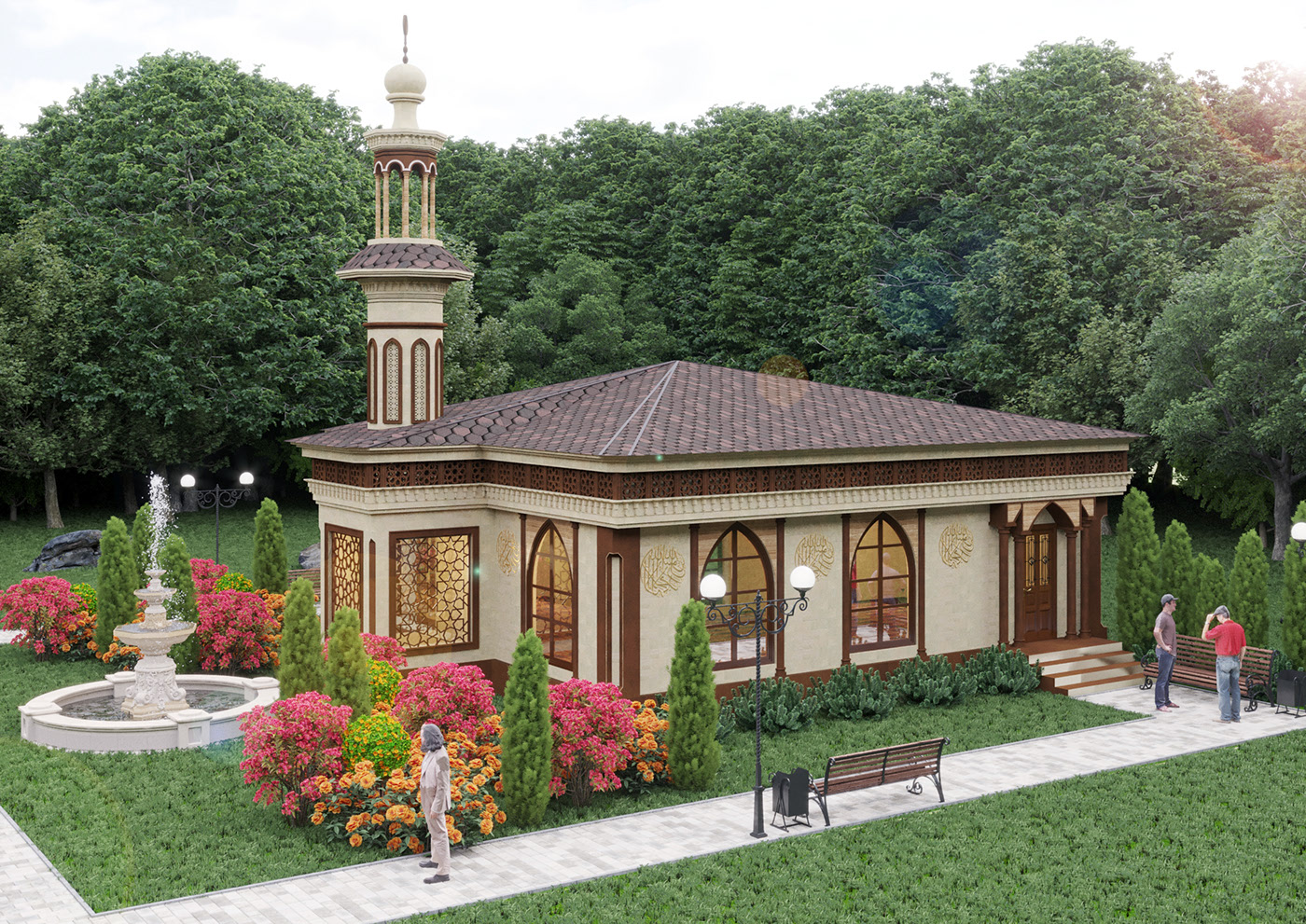 Park Mosque Design Project
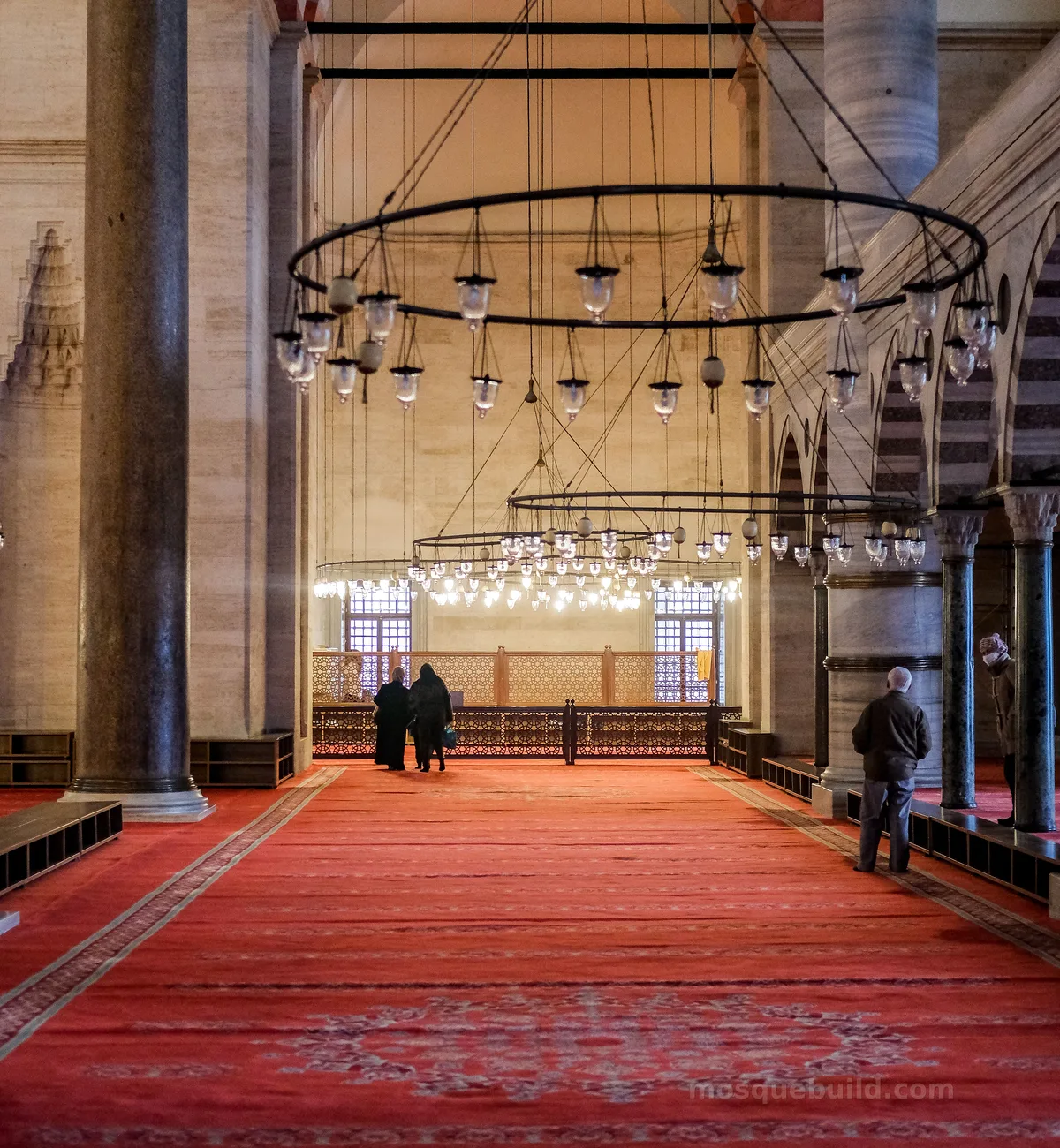
 Red Ottoman Prayer Row Mosque Carpet – Model CRP-0103
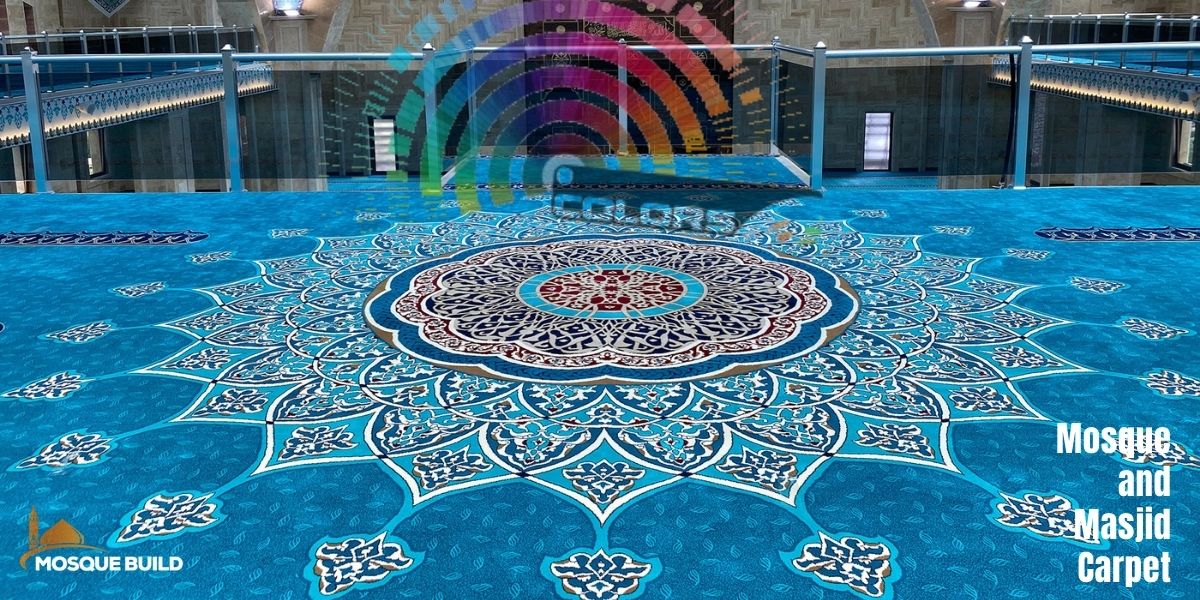
 Grey and Turquoise Floral Mosque Carpet – Model CRP-0102
Frequently asked questions
What information is needed before planning Small Mosque Interior Design?
Start with site photographs, measured dimensions, architectural drawings if available, location/country, target style and the required supply/installation scope. The clearer the brief, the more accurately design and pricing can be compared. For this guide, Qibla axis is one of the project inputs that should be recorded rather than assumed.
How is the correct size for Small Mosque Interior Design determined?
There is no single catalogue ratio that works for every mosque. Size should be checked against the actual hall or opening, surrounding architectural elements, user clearances and the project factors listed in this guide. For this guide, Prayer row spacing is one of the project inputs that should be recorded rather than assumed.
Which materials can be used for Small Mosque Interior Design?
A project may use Mosque carpet, Wood and decorative panels, Decorative tile, Architectural paint / decorative finish, LED lighting components. The correct combination depends on the design, exposure, maintenance, weight, substrate and local requirements. Samples and technical details should be approved before production. For this guide, Circulation routes is one of the project inputs that should be recorded rather than assumed.
How does Circulation routes affect the design?
Circulation routes can change proportions, interfaces and installation decisions. It should therefore be confirmed on the project drawings before production rather than left as a site adjustment. For this guide, Storage capacity is one of the project inputs that should be recorded rather than assumed.
Can this be adapted to an existing mosque?
Yes. Renovation work should begin with a measured survey and photographs. Existing structure, finishes, services and access need to be checked so the new work can be detailed around real site conditions. For this guide, Lighting layers is one of the project inputs that should be recorded rather than assumed.
Can MosqueBuild support an international project?
Yes. Design, production and export packing can be coordinated for international projects. Destination-specific electrical, structural, customs and building-code requirements must be verified with the client and responsible local professionals. For this guide, Acoustic performance is one of the project inputs that should be recorded rather than assumed.
What should I send to request a quotation?
Send the mosque location, measurements, photographs/drawings, preferred reference model, material/finish preference, quantity, target programme and whether delivery or installation is required. This is enough to prepare a much more useful first technical review. For this guide, Accessibility is one of the project inputs that should be recorded rather than assumed.
Planning a mosque project?
Send your drawings, dimensions and reference images to MosqueBuild. We can review the scope and prepare a project-specific design and quotation instead of forcing a standard product into the space. For Small Mosque Interior Design, For this topic, include Prayer capacity, Qibla axis and Prayer row spacing in the first message so the review can start from real project constraints.
Request a project reviewThis Small Mosque Interior Design guide is for project planning and product coordination. Structural, electrical, fire, accessibility, waterproofing and local-code requirements must be verified by the responsible professionals for the actual site.
 English
 German
 Turkish
 Russian
 French
 Arabic